


Concrete as an architectural design element – material, atmosphere, and precision

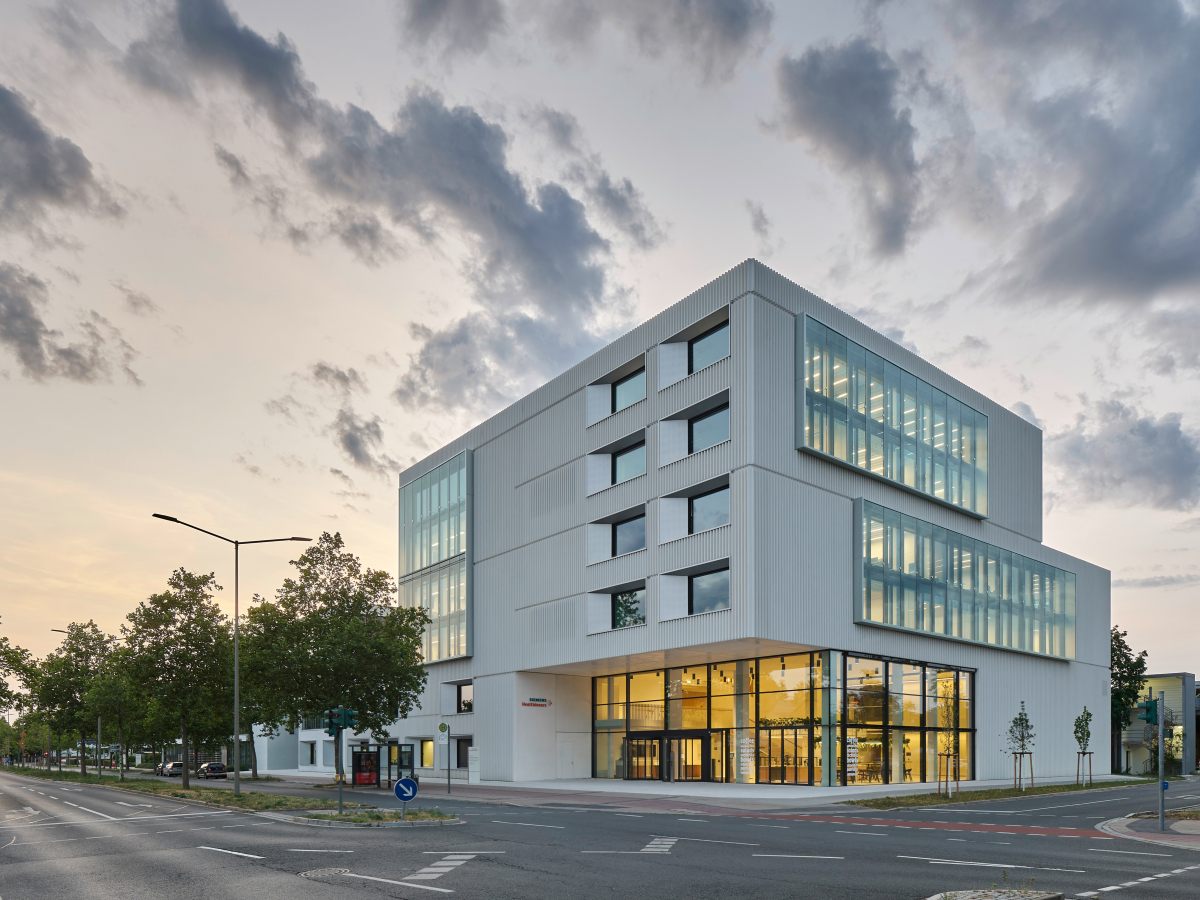
This presentation focuses on the versatile use of concrete as a form-giving and atmospheric element in architecture. Starting with the key question of how concrete tells stories about spaces and how precise material choices shape the identity of a building, the presentation uses the training center in Erlangen as an example to illustrate various strategies used by Scope Architekten to create spatial clarity, robustness, and a precise design approach in their projects.
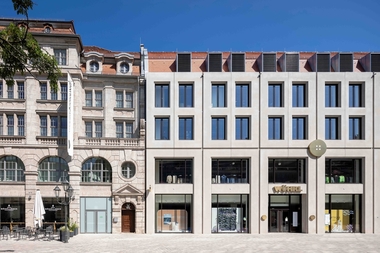
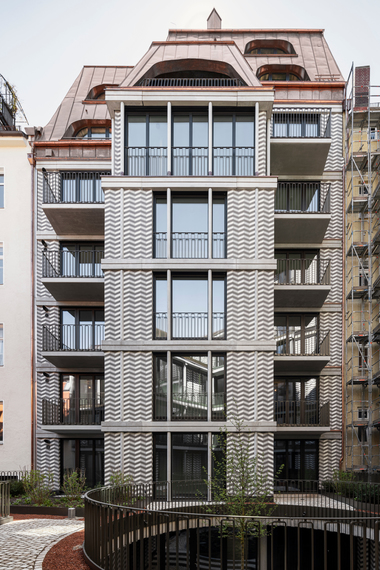
The focus is on materiality, structural precision, and the atmospheric power of concrete surfaces—from prefabricated facade elements and exposed concrete in interiors to terrazzo-like floors and precisely executed prefabricated parts. The talk shows how concrete, used in a variety of ways, both fulfills functional requirements and significantly shapes the spatial identity of buildings through different types of application.
Selected projects illustrate how Scope Architekten approach material conceptually and use it in the design process to support the architectural narrative: serial and modular, refined through craftsmanship, or as a calm, robust spatial backdrop.
The presentation provides insights into planning decisions, coordination processes, and the construction challenges associated with sophisticated concrete surfaces. At the same time, it shows the design potential that concrete offers for contemporary learning, working, and research environments—and how concrete, when used through precise application, becomes a central building block of architectural identity.