

Lightweight concrete with cement-reduced binders


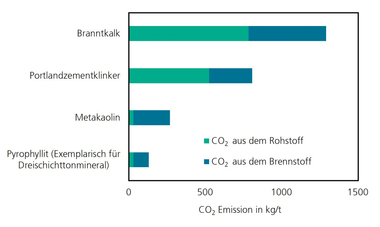
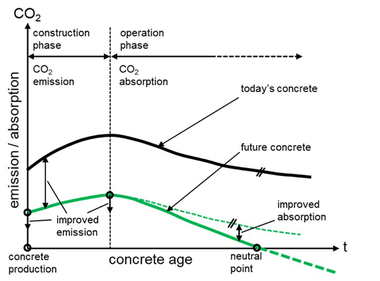
Reducing the cement content is one of the most effective measures for reducing CO₂ emissions in concrete and lightweight concrete production. The use of reactive mineral components can significantly reduce the clinker content and at the same time increase the use of regional resources. The aim of the investigations was therefore to identify alternative binder components that offer ecological advantages and at the same time meet the technical requirements.
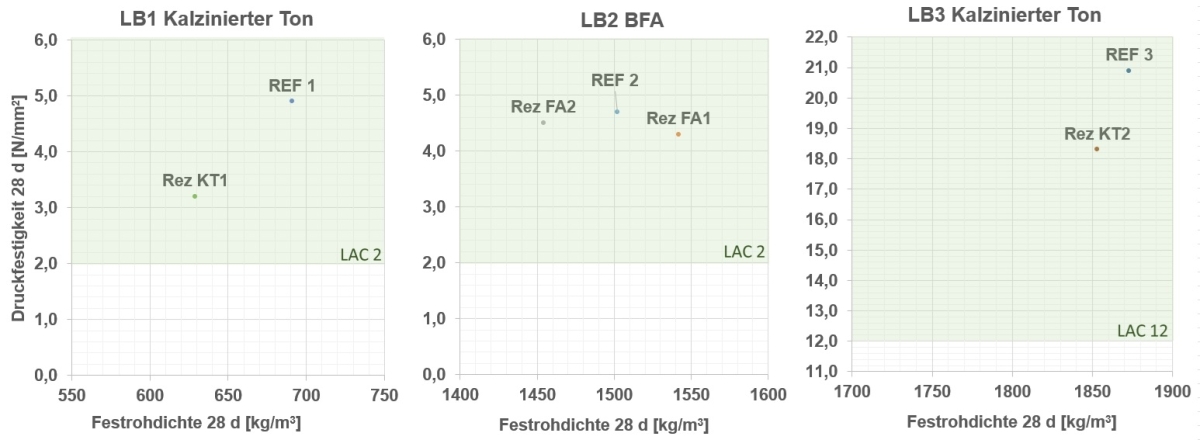
Lignite fly ash from the central German lignite mining area and thermally activated clays were investigated for the development of cement-reduced lightweight concretes. The basic mortar tests with CEM I served to evaluate the pure substitution effects. Due to highly fluctuating compositions, only selected ashes are suitable; materials with elevated free lime or sulfate contents must be excluded. Suitable ashes showed a moderate decrease in final strength in the mortar with increasing degrees of substitution. The thermally activated clays exhibited pronounced pozzolanic reactivity and enabled stable mortar strengths. Fine grinding of suitable ashes also improved consistency and early strengths.
In the practical concrete tests, the factory-made trass cements of the lightweight concrete manufacturers were used. Under real production conditions, up to 30% by weight of suitable lignite fly ash proved to be technically feasible, provided that the components are not exposed to excessive frost or moisture stress. Calcined clays enabled substitution rates of up to 20% by weight of the cement without impairing the fresh or hardened concrete properties.
The results show that selected lignite fly ash and calcined clays are effective strategies for reducing cement. This provides the lightweight concrete industry with practical, resource-saving solutions for developing products with a significantly reduced carbon footprint.