


Planning guide for the implementation of modular bridge construction systems in Germany

The performance of the transport infrastructure is a key prerequisite for Germany’s economic development and competitiveness. Bridges in particular are increasingly becoming the focus of public attention. A large proportion of the more than 130,000 bridges owned by all public authorities are in poor condition because they were designed for traffic loads that are significantly lower than today’s demands (especially heavy goods traffic) and will have to be reinforced or replaced in the coming years.
This task is hardly feasible using conventional on-site construction methods. Long construction and closure times cause considerable traffic disruptions, high economic costs due to time losses, and additional CO₂ emissions as a result of traffic jams or detours. Against this backdrop, a significant acceleration of bridge construction is imperative.
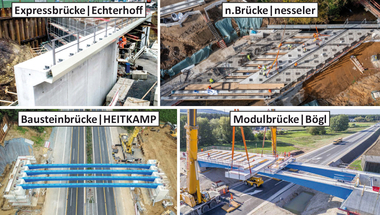
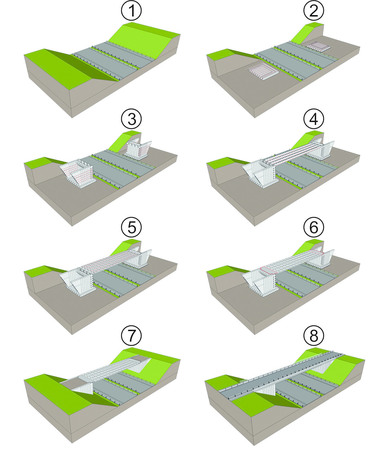
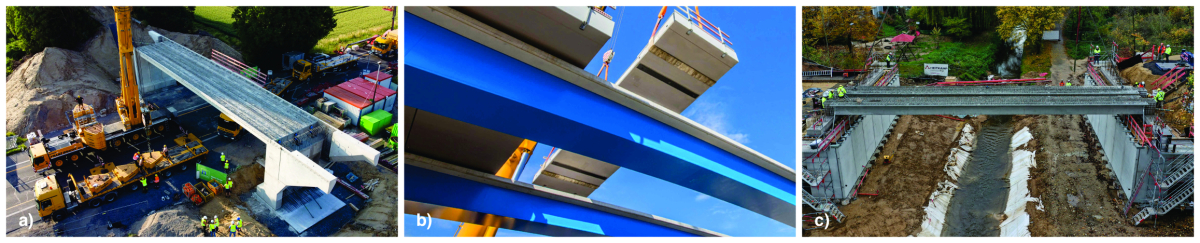
One key lever is the use of modular bridge construction systems, in which essential construction processes are shifted from the construction site to the prefabrication plant through factory prefabrication. Successful (pilot) projects in Germany show that this can reduce construction times to less than 100 days and closure times to just a few days.
This article reports on the “Planning aid for the implementation of modular bridge construction systems in Germany” [1], which was developed jointly by representatives from the construction industry (a total of eleven companies), RWTH Aachen University, and the public sector, with the special participation and support of Autobahn GmbH des Bundes in the Center Building and Infrastructure Engineering (CBI), and provides important principles for the planning, design, and construction of modular bridges. Together with further information on tendering and awarding contracts, as well as various example structures, all those involved in bridge construction are provided with valuable information on the current state of the art and regulations in Germany.