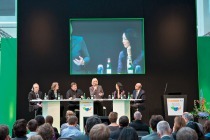
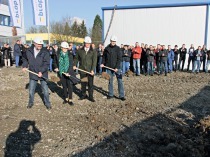
On 3 March 2016, the Precast Concrete Association (NPCA) – the American association representing the precast concrete industry – awarded its Sustainability Award at the Precast Show in Nashville,...
More than 3,000 exhibitors from more than 50 countries, some 135,000 expected visitors and 230,000 m2 of exhibition space: Those are the key figures for IFAT 2016, which takes place at the Messe...
On 10 June 2016, the UEFA Euro kicks off in France. 24 national teams will compete against each other for the Cup and determine who is the European Soccer Champion. During the four-week tournament,...
BFT International publishes this article jointly with the German associations listed below to reflect the common position of these organizations with respect to a current topic relevant to the German...
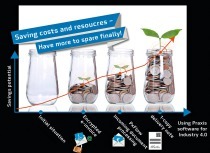
So far, a delivery note for concrete consists of up to four copies. Each of them is filed in a folder in the archive sooner or later – i.e. in the administration of the concrete plant, at the...
Prestressed concrete is distinguished from common reinforced concrete by systematic pretensioning of the steel reinforcement. This allows for concrete structures with higher load-bearing capacity...
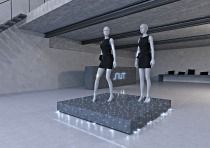
The Berlin-based enterprise Siut recognizes changes in the demand of building materials used when considering the construction and architectural industry as well as the supply sector. According to...
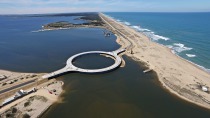
The bridge over the Garzón lagoon was proposed more than two decades ago with the intention to unite the departments of Maldonado and Rocha, located on the south eastern part of the country’s...
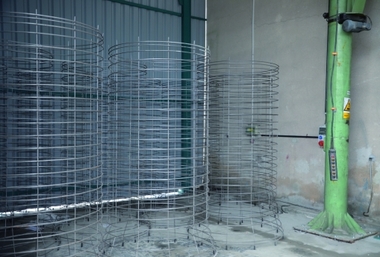
Mbk stands for technical knowhow, ingenuity, high quality standards, and high priority for customer needs. These characteristics enabled the company to develop into one of the leading manufacturers...
Directly adjacent to the original headquarters of the company Probst of Erdmannhausen in Germany, a new hall with a floor area of 4,500 m² is presently under construction and scheduled for...