

First Report in the “Raw Materials Monitoring” Series Published
10.04.2026
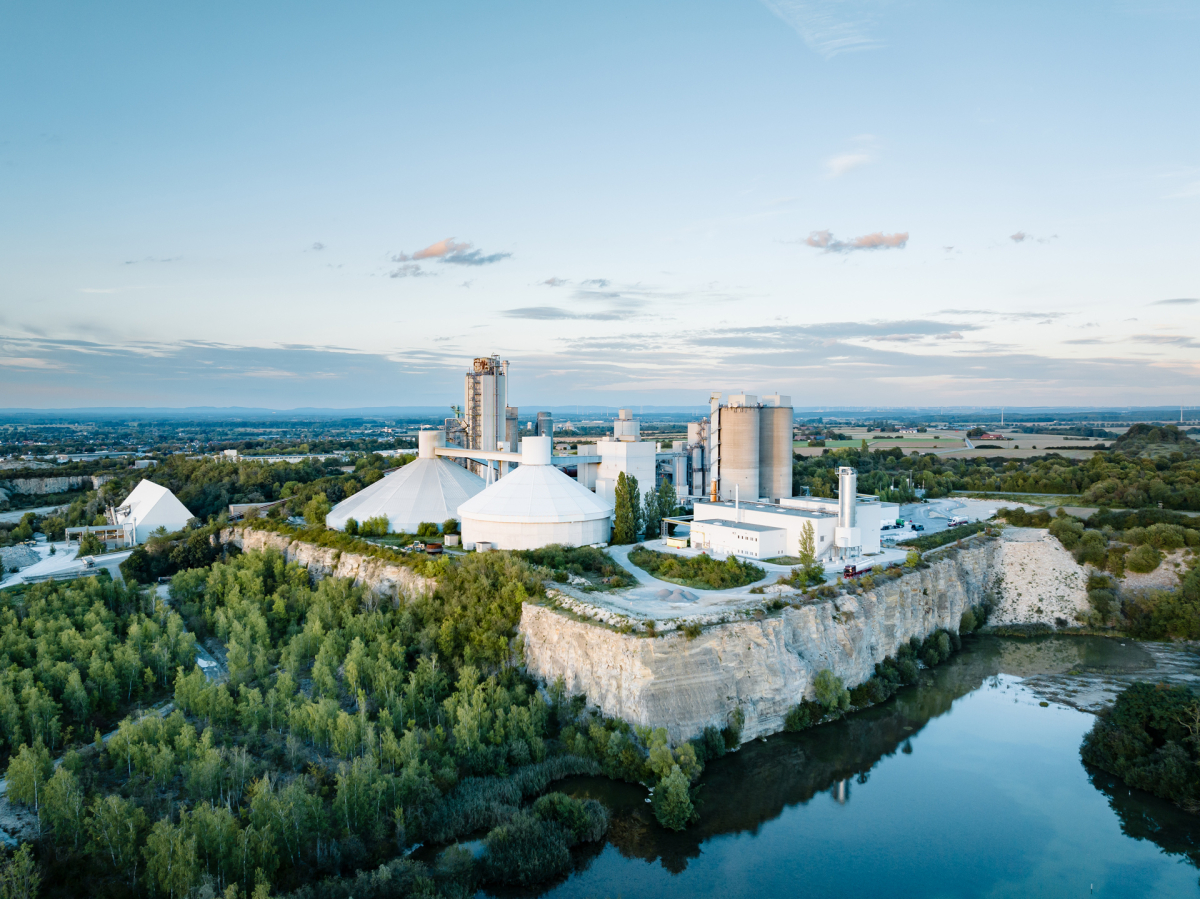
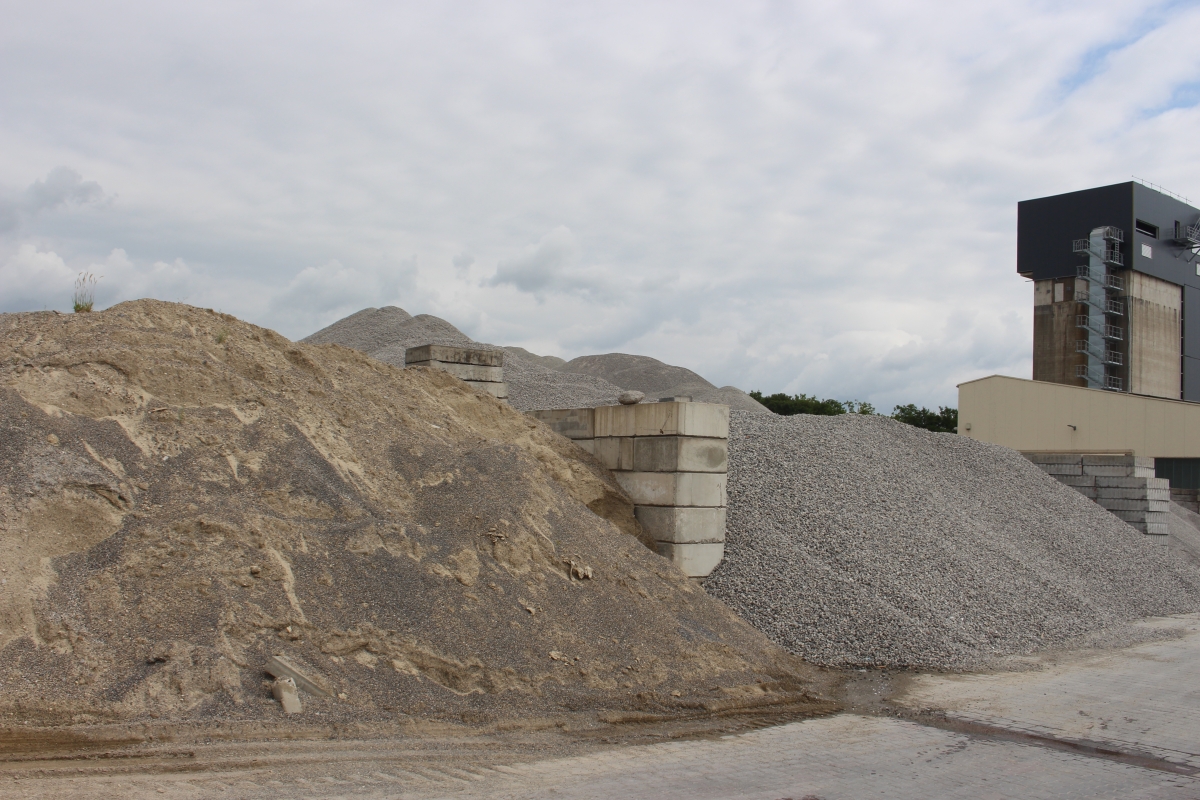 Figure: BFT International
In March 2026, the RWI (Leibniz Institute for Economic Research) published the first monitoring report in the “Raw Materials Monitoring” study series on behalf of the Ministry of Economic Affairs, Industry, Climate Protection, and Energy of the State of North Rhine-Westphalia (MWIKE NRW). The analysis provides important insights into future raw material supply and underscores the central importance of a reliable and efficient domestic raw materials industry.
Figure: BFT International
In March 2026, the RWI (Leibniz Institute for Economic Research) published the first monitoring report in the “Raw Materials Monitoring” study series on behalf of the Ministry of Economic Affairs, Industry, Climate Protection, and Energy of the State of North Rhine-Westphalia (MWIKE NRW). The analysis provides important insights into future raw material supply and underscores the central importance of a reliable and efficient domestic raw materials industry.
NRW remains dependent on primary raw materials
The construction and raw materials industry in North Rhine-Westphalia will continue to play a key role in the supply of mineral raw materials in the coming years. Demand remains high in the long term—driven by housing construction, infrastructure, and the transition to climate-neutral structures. In 2022, for example, 59.4 million tons of gravel, sand, and clay were extracted in NRW. Projections also indicate that extraction volumes will remain at a high level. Thus, the study simultaneously underscores the central importance of a secure supply of raw materials.
Recycling complements—but does not replace
The results of the RWI project report show that the contribution of secondary raw materials remains limited. Despite additional potential—such as around 6 million tons by 2040 in the “soil and stone” material stream—the secondary raw material share remains at about 15% and rises only moderately in the scenarios. This is offset by consistently high demand: gravel and sand extraction in North Rhine-Westphalia alone stood at 58.1 million tons in 2022 and, according to projections, will remain at a high level through 2035. A positive point to highlight is that the industry is already making an important contribution to the circular economy and has established structures in place to further expand recycling.
Security of supply requires reliable framework conditions
The results underscore the importance of an integrated raw materials strategy: In addition to expanding recycling capacities, domestic extraction of primary raw materials remains indispensable. At the same time, the scenarios show that stable permitting procedures, robust data, and forward-looking planning are crucial to ensuring supply in the long term.
Conclusion
High raw material demand in the long term: Germany will continue to require significant quantities of mineral raw materials in the coming decades. Recycling can supplement but not replace: Secondary raw materials help meet part of the demand. Their share of total raw material demand remains stable or increases only moderately, meaning they do not comprehensively substitute primary raw materials. Different scenarios show consistent importance: Across various economic development paths, the demand for primary raw materials remains high.
Structural developments influence secondary raw material supply: With the decarbonization of certain sectors (e.g., the steel industry) and the elimination of industrial byproducts, some sources of secondary raw materials are also declining, which further limits the potential for substitution.
The study shows: Secondary raw materials can meaningfully supplement raw material demand, but domestic extraction of primary raw materials remains central to the long-term security of supply in North Rhine-Westphalia.
Contact
Verband der Bau- und Rohstoffindustrie e. V.
Kim Walter
Düsseldorfer Straße 50
47051 Duisburg/Germany
+49 203 99239-23