


Lightweight concrete bridge caps – from planning to construction


According to a survey published by the ADAC in November 2025, around 20% of the 40,100 bridges in the German federal highway network will need to be renovated or replaced by 2040. With an increased focus on sustainability, renovation is always preferable to demolition and subsequent reconstruction. This approach is also supported by the downtime associated with demolition, which is sometimes very difficult to achieve given the high traffic density and the costs involved, and thus often forces the existing structure to be upgraded. The main premise of renovation is to ensure that the upgraded structure can cope with future traffic loads and make the structure fit for the future. This places high demands on structural engineers, who sometimes have to fight for every centimeter in the layer structure in order to be able to cope with the expected higher traffic loads.
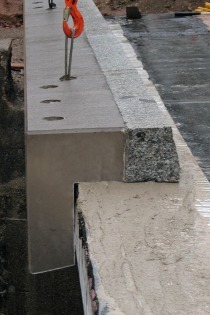
This is where lightweight concrete comes into play. Lightweight concrete has been used extremely successfully for bridge superstructures worldwide for decades. With its reduced dead weight, it offers the required strength values and allows construction without compromising durability. Although this obvious option is not taken into account in the ZTV-ING, expert planners in Germany have also recognized the advantages of lightweight concrete, especially in the renovation of bridge caps, and have successfully implemented it.
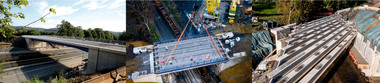
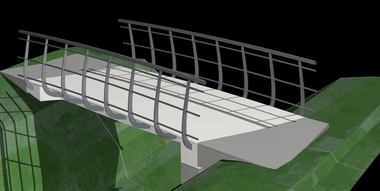
This article highlights the reasons for the obvious use of lightweight concrete, especially for bridge caps. Successful implementation is demonstrated using examples of completed projects.