


Innovation: Sono surface probe
Construction projects today are under considerable time and cost pressure. Delays cause downtime costs and jeopardize tight construction schedules. At the same time, especially in screed construction, the necessary drying time must not be undercut, as it is a prerequisite for readiness for covering and damage-free floor construction.
In German-speaking countries, the CM method (calcium carbide) dominates as the test method for readiness for covering, which is firmly anchored in standardization and is considered a legally recognized verification method. However, its application is complex and prone to errors, according to the supplier. In addition, screed formulations have evolved significantly due to changes in binders and additives, which means that the validity of the method is increasingly being questioned.
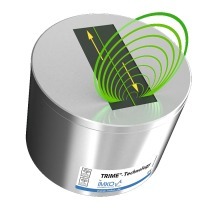
The Trime TDR (Time Domain Reflectometry) method developed by Imko provides a non-destructive, fast, and reliable measurement technology that can be used even under difficult conditions. It is based on the high-precision measurement of the transit time of electromagnetic pulses (time resolution < 1 ps), whose propagation speed is directly influenced by the water content of the material being measured. This allows a direct correlation between transit time and moisture to be derived.
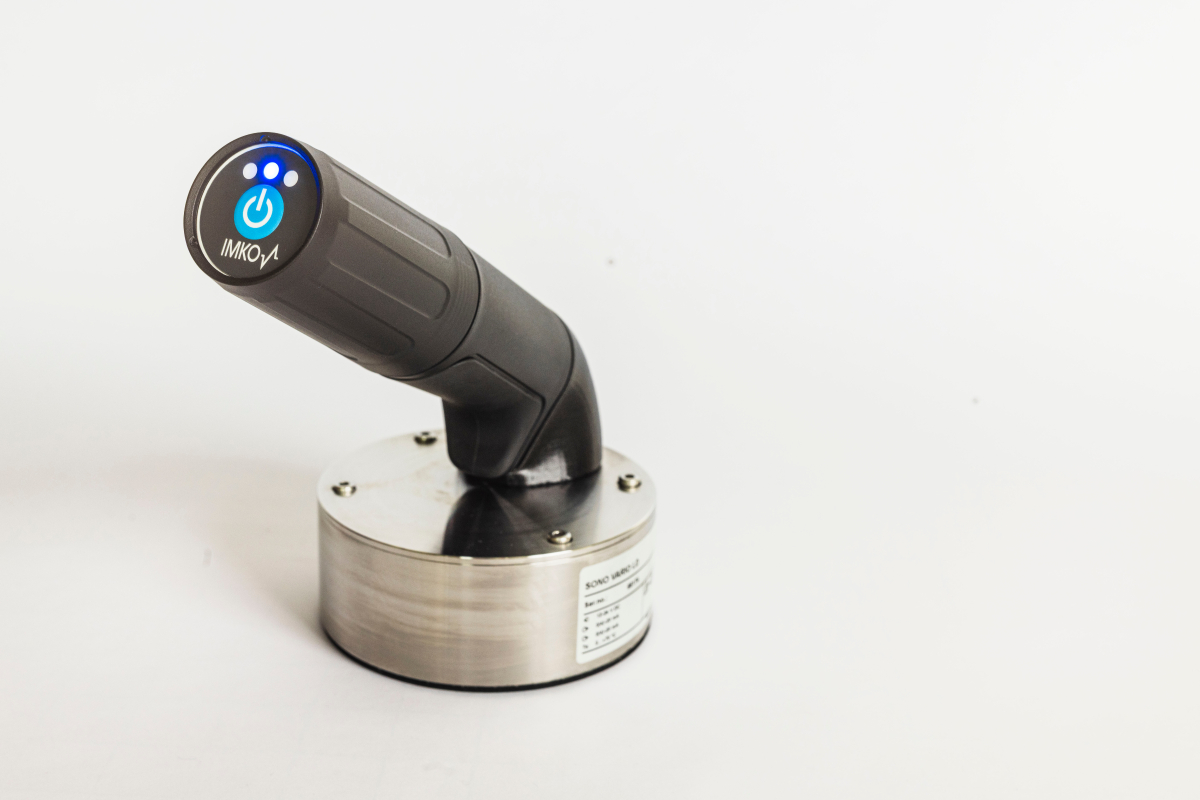
The Sono surface probe further develops this tried-and-tested method to overcome the weaknesses of existing readiness-to-cover tests. At the same time, screed manufacturers are provided with an innovative tool that allows them to optimize formulations in a targeted manner and verify their product quality in a data-based and scientifically sound manner.
The Sono surface probe combines the following advantages, which give it the potential to revolutionize the screed testing market:
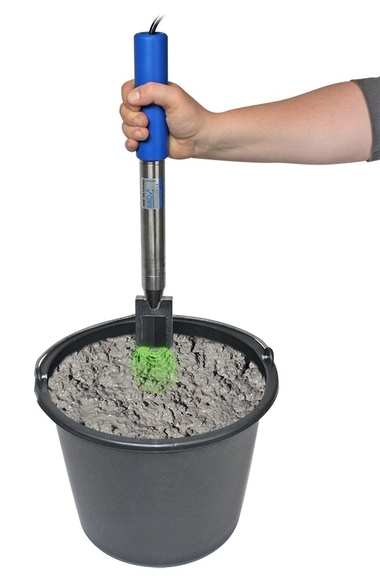
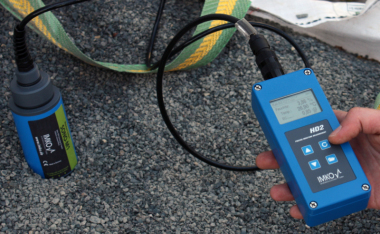
1. The test is simple and error-free: place the probe, start the measurement, receive the measurement results on your smartphone. Done.
2. The test duration is reduced by a factor of 100 compared to the CM method.
3. The test is non-destructive. No screed sample needs to be taken and no holes need to be filled.
4. The advantages of 2 and 3 mean that (still with very little time expenditure) a number of measurement positions can be checked. In contrast, prevailing testing methods only provide a selective measurement result, which only represents the overall picture of drying to a limited extent.
5. The simplicity and speed of the test also make it possible to evaluate the effectiveness of heating and ventilation measures with little effort and to optimize them as a result.
6. The Sono surface probe also opens up new possibilities for manufacturers to objectively document the drying process of their systems.
CONTACT
IMKO Micromodultechnik GmbH
Am Reutgraben 2
76275 Ettlingen/Germany
+49 7243 59210