

Bitkoin research project: Initial test concretes exceed
expectations


Since March 2023, an Austrian project consortium has been working on the „BitKOIN“ project to develop a synthetic granulate substitute (granulate 2.0) from mineral wool waste. The aim is to process the waste with other complementary secondary raw materials into a binding agent component. This has already been achieved several times on a pilot plant scale. Initial test concretes have also been produced, whose performance exceeds expectations.
BitKoin is funded by the Austrian Research Promotion Agency (FFG) and is led by the Montanuniversität Leoben. In addition to Rohrdorfer Umwelttechnik and the Montanuniversität Leoben, the Graz University of Technology, Porr Umwelttechnik GmbH, Saint Gobain Austria GmbH, and Holcim CTEC GmbH are also represented in the project consortium.
Complex cleaning and conditioning
Various steps are necessary to process mineral wool waste so that it can replace granulated blast furnace slag. First, it is processed and pre-shredded in a shredder plant. This is followed by conditioning with a calcium-rich secondary raw material. The waste processed in this way is melted, granulated, ground, and used instead of conventional granulated blast furnace slag for cement production.
In the pilot tests, this preliminary work was carried out by the project partners at the Montanuniversität Leoben (sample preparation and melting tests) and the Graz University of Technology (building material tests), Porr Umwelttechnik GmbH (industrial shredding and conditioning), and Holcim CTEC GmbH (production of CEM II/B-M and CEM II/C-M cement types).
Promising interim results
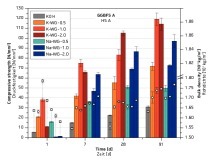
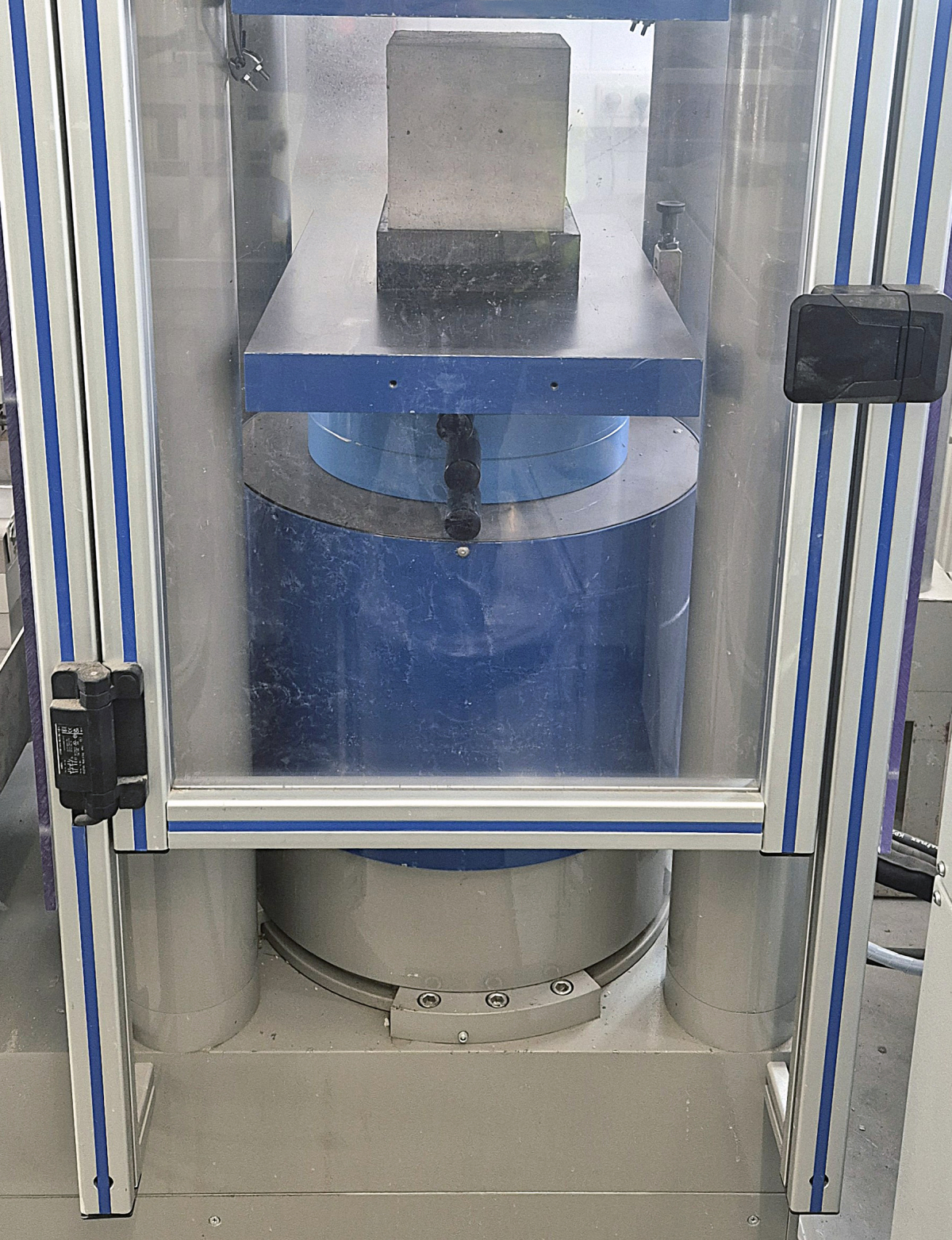
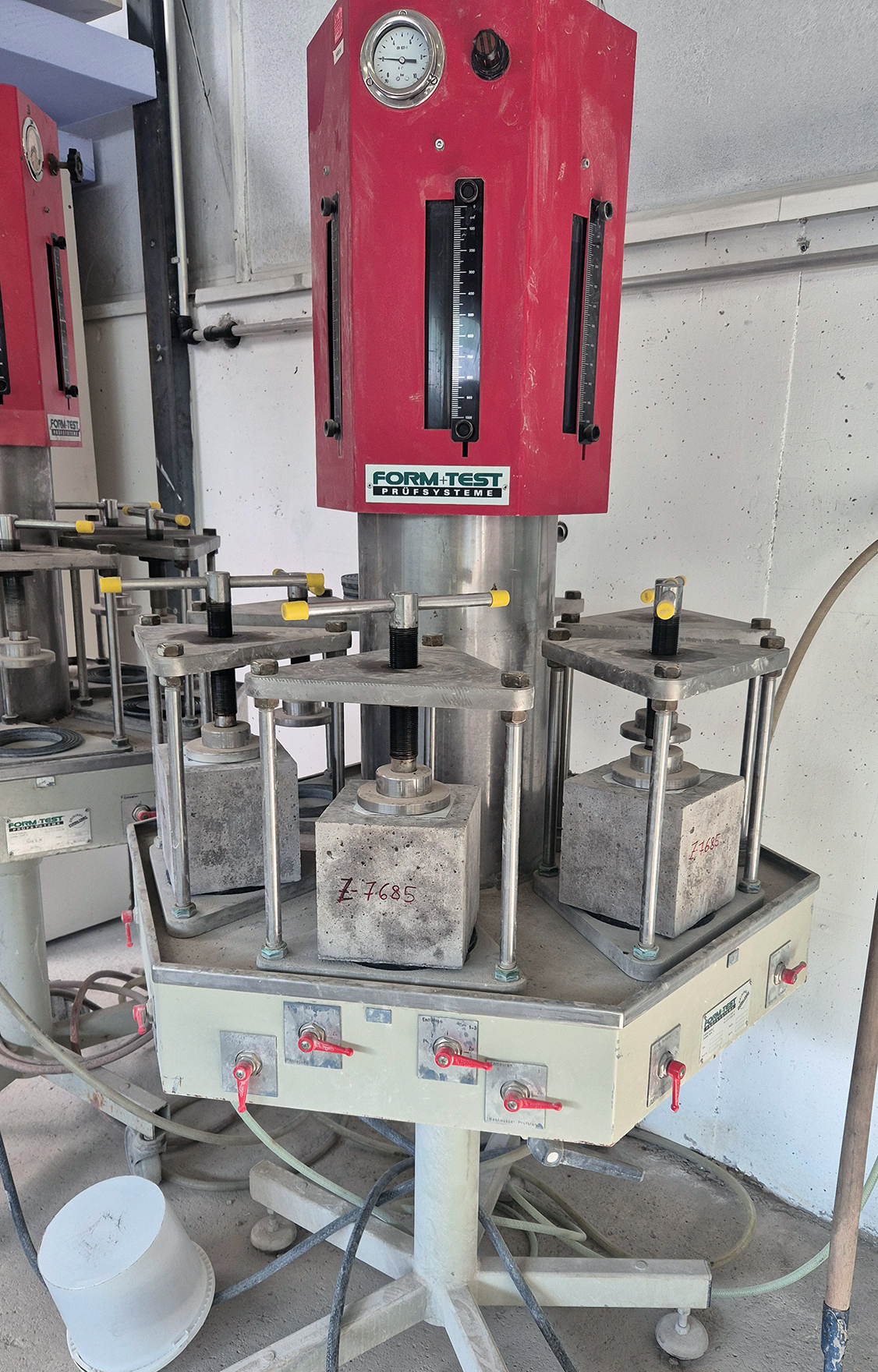
Normal concrete of type B2 was produced from the resulting cements. These extensive test series were carried out at the central laboratory of the Rohrdorfer Group in Krieglach, where, among other things, compressive strength and carbonation resistance were tested. Some of the B2 concretes produced in the pilot tests outperformed the reference concrete based on conventional granulated blast furnace slag in initial tests.
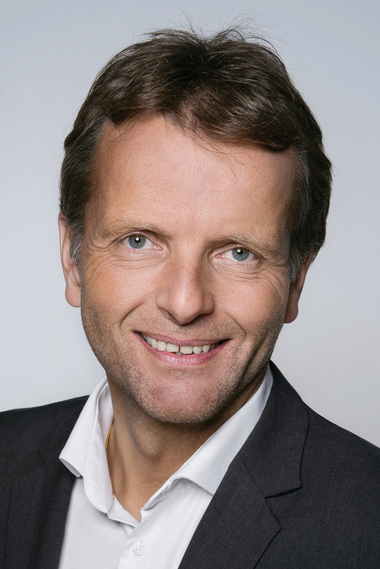
„As things stand at present, we can be pleased with two positive results,“ says Dr. Theresa Sattler, Bitkoin project manager at Rohrdorfer Umwelttechnik. „On the one hand, we have a granulated blast furnace slag substitute that is even superior to the original in terms of certain desired properties in its performance to date, and on the other hand, our process enables us to minimize the hazardousness of mineral wool waste and establish a new circular economy.“
Next steps: large-scale trial and life cycle analysis
A large-scale trial is to be carried out shortly at Saint Gobain, in which several hundred kilograms of mineral wool waste will be processed into blast furnace slag 2.0. In order to assess the potential environmental impact of blast furnace slag 2.0 over its entire life cycle, a life cycle assessment will also be carried out. Environmental impacts, such as greenhouse potential, will be calculated, providing a holistic picture of the ecological consequences of the material produced.
CONTACT
Rohrdorfer Umwelttechnik GmbH
Einödstraße 37
8600 Bruck an der Mur/Austria
+43 50543 1190