


3D concrete printing at the interface between research and construction practice


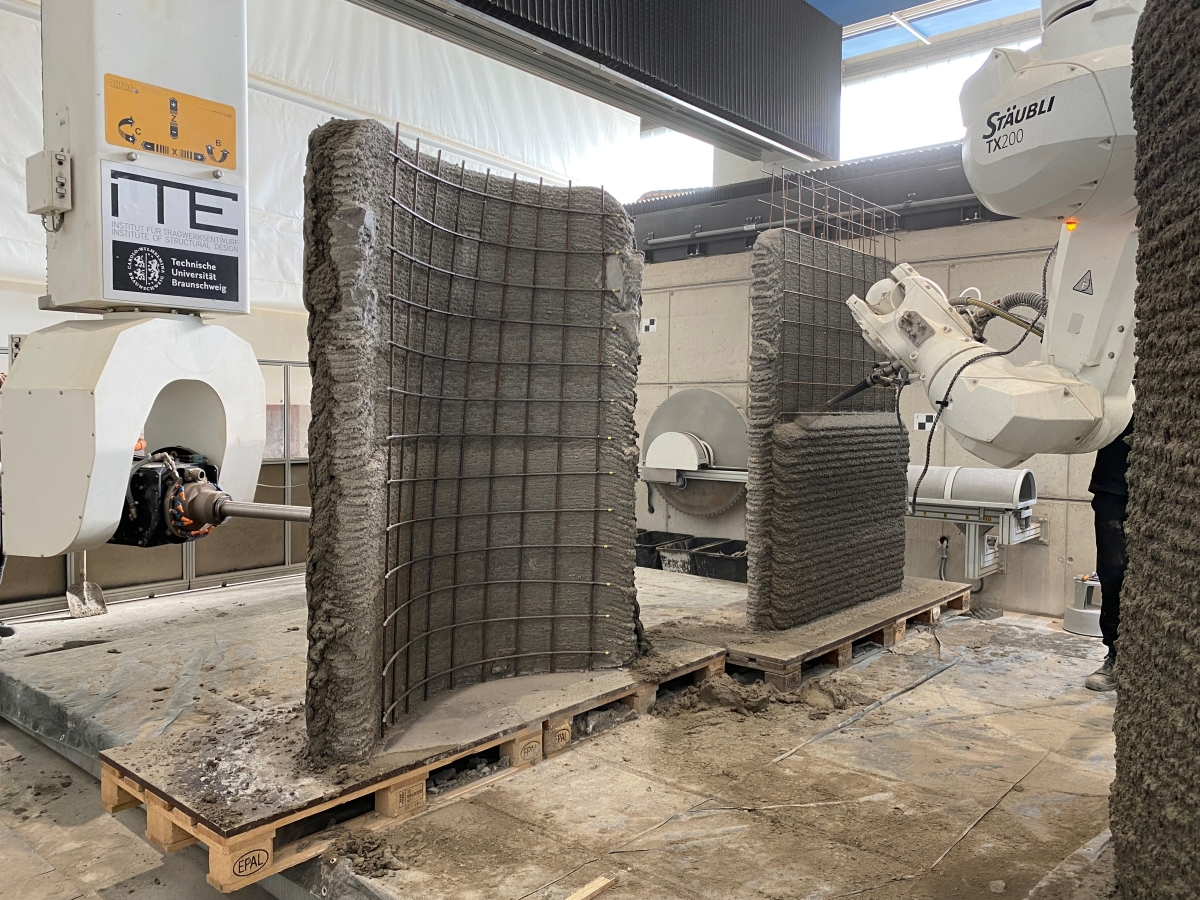
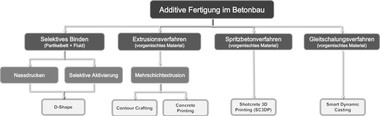
Where does additive manufacturing stand in concrete construction—and what is needed to establish 3D concrete printing in the construction industry? These questions are more relevant than ever, some 30 years after the groundbreaking pioneering work of Enrico Dini (D-Shape) and Behrokh Koshnevis (Contour Crafting). After more than three decades of intensive research and enormous technological progress, 3D concrete printing is now on the threshold of industrial application, but the path to widespread construction practice is challenging.
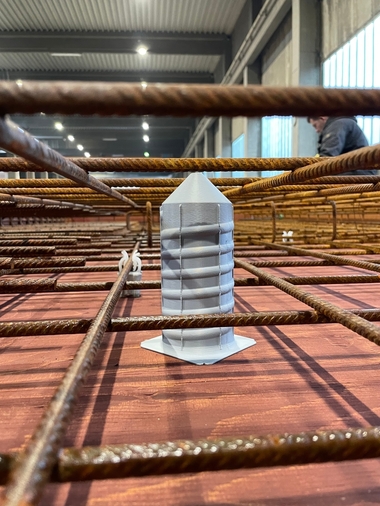
Research in recent decades has laid crucial foundations – from fundamental manufacturing principles and the interaction of digital processes and materials to new design principles for resource-efficient construction. These findings open up enormous potential, from material-optimized structures to completely new architectural freedoms. At the same time, the challenges are clear: issues of standardization, quality assurance, cost-effectiveness, and integration into existing construction processes.
The task now is to consistently expand the interface between research and practice. This means, on the one hand, intensifying technology transfer to the construction industry and, on the other hand, jointly addressing open questions for practical application. This is precisely where this contribution comes in. It highlights the current challenges and outlines initial approaches to solutions. The focus is on digital manufacturing strategies beyond classic horizontal layer deposition, innovations in reinforcement integration, aspects of quality control, and the associated need for standardization in order to transfer the technology safely and economically into construction practice.