


Why colored ready-mix concrete is an untapped market opportunity
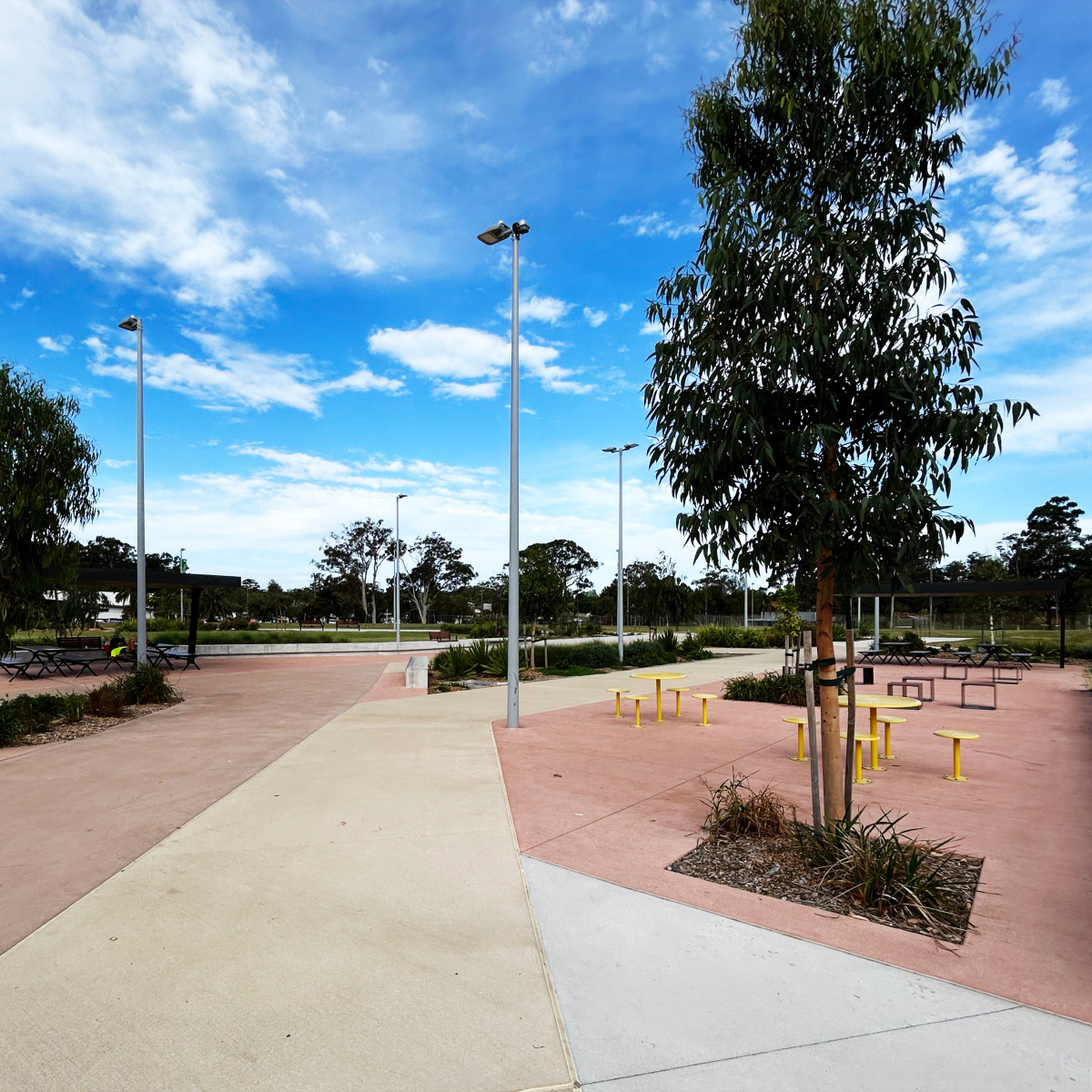


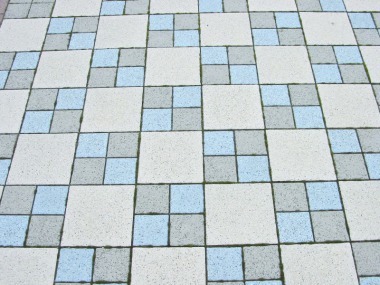
Architecture in three dimensions: While the use of color pigments to enhance the visual appeal of traffic areas and concrete components has long been part of the streetscape in the Benelux countries, colored ready-mix concrete remains a niche product in Germany. For concrete plants, this presents enormous potential for differentiation.
Gray is timeless, but often it’s simply a matter of habit. While in the Benelux countries, the use of color pigments to enhance the appearance of traffic areas and concrete components has long been part of the streetscape, colored ready-mix concrete remains a niche product in Germany. For concrete plants, this is precisely where there is enormous potential for differentiation.
The market’s hesitation in Germany stems from a classic chicken-and-egg problem: Architects rarely request colored ready-mix concrete because it is scarcely visible in the plants’ portfolios. The plants, in turn, shy away from actively marketing it out of concern for uncontrollable setting behavior, loss of strength, cleaning efforts, or streaking. However, a look at modern pigment technology shows that colored ready-mix concrete is not an unpredictable “risky product,” but can be managed with absolute process reliability using the right expertise.
Sustainability and Safety: The New Drivers in Urban Spaces
Color in public spaces is increasingly addressing pressing ecological and infrastructural challenges. This provides plant sales teams with entirely new selling points when engaging with municipalities and planners:
- Safety through visual guidance: Whether red bike lanes, anthracite-colored bus lanes, or beige pedestrian zones - contrasting surfaces intuitively organize traffic areas and enhance traffic safety. Since the pigments are weather-resistant and integrated into the matrix, this function is maintained for decades without costly renewal cycles.
- Using Light Colors to Combat “Urban Heating”: The heating up of city centers (the urban heat island effect) is a key challenge in modern urban planning. Through the targeted use of light-colored concrete surfaces, formulated with titanium dioxide or light-colored iron oxides, the surface’s solar reflectivity (albedo) is significantly increased. The concrete absorbs less heat, and the microclimate is noticeably cooled.
- Immediate design freedom and a sophisticated look: From the day of completion, color transforms ready-mix concrete from a purely functional building material into a modern design element. Pigments open up entirely new architectural possibilities and creative freedom for planners and builders right from the start. Whether Mediterranean sand and terracotta tones, warm earth tones, or radiant white, the surfaces immediately appear high-quality and retain this appeal for decades.
Chemistry and Physics: What Happens in Concrete?
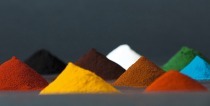
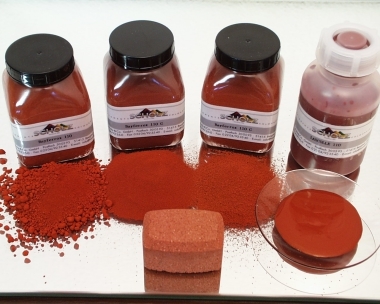
A widespread myth is that color pigments negatively affect the structural integrity of concrete. High-quality construction pigments consist of synthetic, inorganic iron, chromium, cobalt, and titanium oxides. These are permanently stable in the highly alkaline environment of the cement paste, insoluble in water, and completely UV-resistant.
The European testing standard EN 12878 guarantees that this interaction is technologically completely safe: It prescribes strict limit values that every pigment must meet for use in cement-bound building materials. Within the recommended dosage rates, the pigments do not significantly affect either the strength development or the setting behavior of the concrete. The CE mark provides legal proof of compliance with this standard—a decisive criterion for concrete plants when purchasing pigments.
The Key to Streak-Free Results: Mechanical Homogenization
A major concern at the plant is color consistency from batch to batch. If pigments are simply blended in a standard belt mixer, hard pigment agglomerates often remain. The result on the construction site is the dreaded color casts and streaks.
Modern powder pigment mixtures therefore undergo a second process after the gentle mixing cycle in the belt mixer: mechanical homogenization. Under extremely high shear force, agglomerates are mechanically broken up so that the pigment is completely dispersed. This ensures the tightest color tolerances, excellent product consistency from batch to batch, and streak-free concrete surfaces.
The Law of Saturation and Dosage
Three dosing rules are fundamental for cost-effectiveness and quality at the plant:
1.) The saturation point: We approach this point when the pigment addition reaches approximately 5% of the cement weight. In the day-to-day operations of a ready-mix concrete plant, this translates to 10–20 kg of pigment per cubic meter, depending on the concrete’s cement content. Adding more pigment beyond this limit merely increases material costs without providing significant visual benefits.
2.) Precision at low dosages: For shades with low pigment content (<3%), even minor deviations lead to visible color variations in the final product; precise weighing is essential here.
3.) Influence of Cement and Strength: Since pigments color the cement matrix, higher-strength concrete requires more pigment to achieve the same color depth due to its increased cement volume. Additionally, the color of the cement is crucial: Standard pigment mixtures are usually optimized for the more economical gray cement but can also be used with white cement for more vibrant architectural concretes.
Reliable Handling and Construction Site Rules
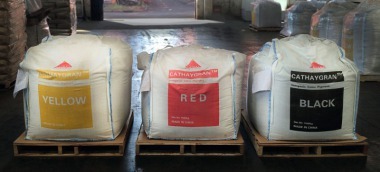
Modern packaging systems significantly simplify handling at the plant. The use of high-quality, cold-water-soluble plastic bags (such as Aquasac) ensures a clean, completely dust-free work environment. The bags are thrown unopened directly into the truck mixer, where they dissolve quickly in the added water. Subsequent mixing for at least 10 minutes at full speed ensures complete distribution.
The biggest source of errors, however, lies in on-site installation. Colored concrete is far less forgiving of workmanship errors during the finishing process than gray concrete. Ready-mix concrete plants should therefore specifically educate their customers on three practical rules:
1.) Never spray additional water: Applying water to the fresh surface after the fact—even using a wet tool—locally alters the water-cement ratio. It washes out the color intensity and inevitably leads to stains and surface dust.
2.) Wait for bleeding to subside: Troweling should not begin until the bleeding water has completely evaporated. Working the concrete into the surface water leads to moisture pockets and permanent discoloration.
3.) Ensure controlled curing: Color variations occur primarily when areas dry at different rates. The slower the evaporation, the more vibrant and uniform the color appearance becomes. Direct covering with plastic sheeting should be avoided, as condensation causes stains. The use of evaporation retarders or suitable sealants is recommended.
Conclusion
The market for colored ready-mix concrete in Germany is waiting to be tapped. Sales managers who proactively engage planners with arguments regarding traffic safety and urban climate protection can generate genuine new business beyond mere price competition. Thanks to mechanically homogenized pigments based on iron and titanium oxides, reliable packaging, and precise dosing guidelines, the technological hurdle is lower than ever before. With a little technological support, colored ready-mix concrete will become a highly attractive premium product for the city of the future.
CONTACT
Oxerra (Deutschland)
GmbH & Co. KG
Mühlstraße 118
65396 Walluf/Germany
+49 6123 797-0