

V. Fraas

3D high-performance grids for textile-reinforced concrete
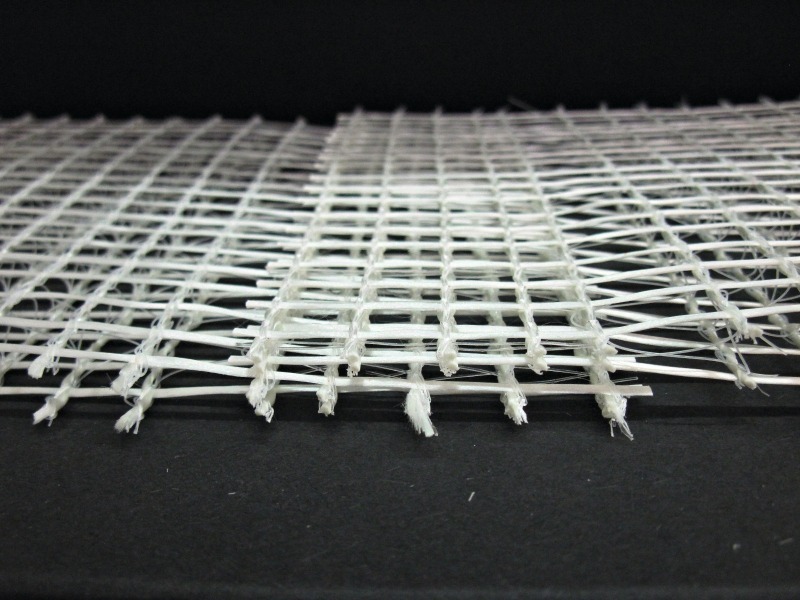
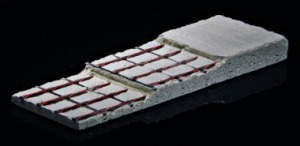
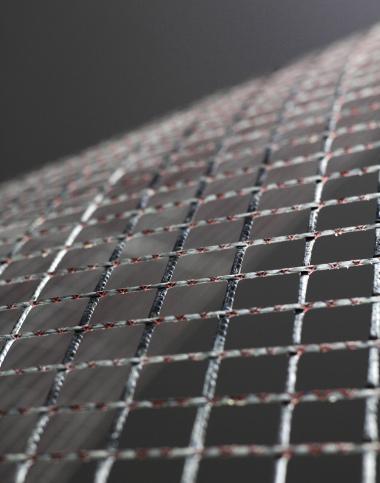
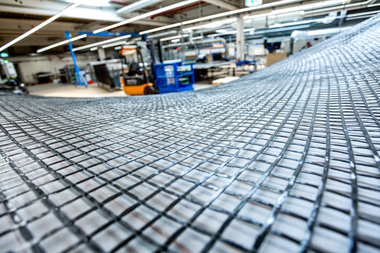
Textil reinforced concrete, reinforced with grid structures made of AR glass or carbon, is a new, innovative composite material. Resistance to corrosion together with high strength is the great advantage of the material. This allows for the positioning near the surface, thus the production of particularly thin and lightweight precast concrete elements or reinforcements.

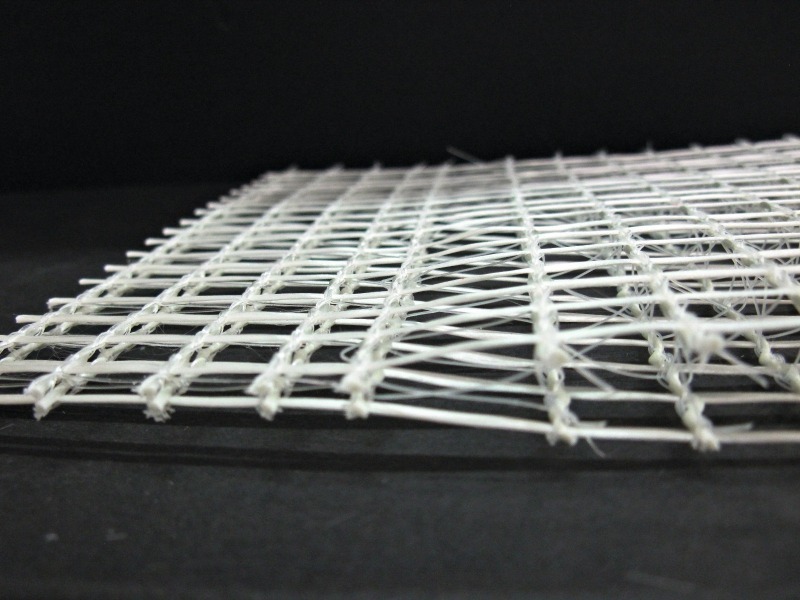
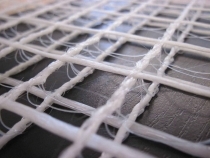
Three-dimensional textile reinforcements for concrete are 3D biaxial spacer fabrics consisting of two biaxial grids of alkali-resistant AR glass or carbon which are rigidly connected with each other by pile threads. The...


Related articles:

Issue 08/2013 V. Fraas

3D biaxial textile reinforcement

The company V. Fraas Solutions in Textile GmbH has developed an innovative textile reinforcement in its 3D textile Sitgrid which is based on a new type of knitting process. The special advantage for...

more
Issue 01/2017 V. Fraas

Innovative carbon grid fabric for German Future Prize

The German Future Prize (Deutscher Zukunftspreis) awarded by the German President is one of the most important scientific awards in Germany. This year, the President’s Award for Technology and...

more
Issue 10/2018 V. FRAAS SOLUTIONS IN TEXTILE

SITgrid 041 sets new standards in carbon concrete

The company V. Fraas Solutions in Textile GmbH develops and manufactures textile concrete reinforcement with the brand SITgrid. The carbon grid fabric SITgrid from V. Fraas Solutions in Textile...

more
Issue 08/2020 SOLIDIAN

Carbon reinforcement available in much greater dimensions

Concrete withstands compressive loads excellently, but is susceptible to tension. For this reason, concrete has been combined with steel in the construction industry for decades. Steel absorbs these...

more
Issue 02/2018 Solidian

Non-metal reinforcements for concrete components

The use of non-metallic reinforcements consisting of carbon or glass fiber allows manufacturing thin, slender concrete components, which are durable simultaneously. Since carbon and glass fibers do...

more