

Concrete is always a solution

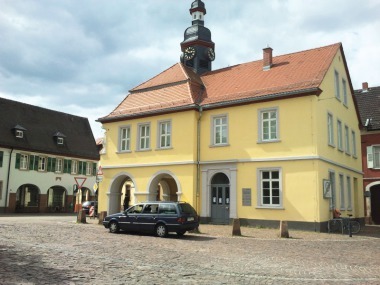
A German regional newspaper published an article in mid-June about the planned restoration of a market square in a small town in western Germany. The chairperson of the local heritage association, a Ms W., told the editor of that newspaper that “concrete would be a mortal sin” for paving the historic town center. The newspaper article picked up this opinion in the polemic heading “Concrete is no solution.” It goes without saying that I, as the editor-of-chief of BFT INTERNATIONAL, was startled when I saw this article on the Internet.

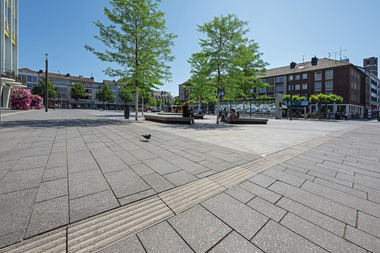
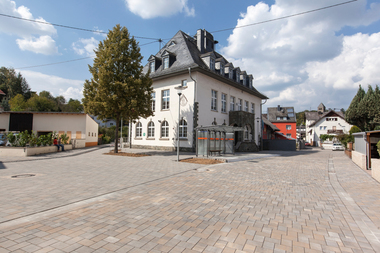
This article also features nondescript market squares paved...

Related articles:

Issue 09/2025

Paving solution combines aesthetics, function and accessibility: Kaiserplatz Düren

Historical context As being located in the heart of the city, the square „Kaiserplatz“ had ever been of central importance. The cattle market took place there in the Middle Ages. The square was...

more
Issue 09/2017 Einstein-Fugentechnik

Durable pavement with an ancient look

If surface areas are modernized in historic urban districts, planners frequently fall back on solutions made of natural stones as such solutions are often the perfect complement to the buildings....

more
Issue 09/2019 H. MEUDT BETONSTEINWERK

Square rehabilitation with “Ideal” pavers

Heckholzhausen, with only 900 inhabitants, is the smallest of four districts in the community of Beselich in Germany. When the community center was rehabilitated, in 2016, the decision was made to...

more
Issue 09/2015 Beton Pfenning

Concrete paving blocks defeat natural stones

Planners frequently make use of natural stones when it comes to pave areas in historic town districts. Natural stones often perfectly complement the historic buildings of the district in their visual...

more
Issue 05/2009 Some observations regarding in-service performance

Photocatalytic paving block surfaces

In this study, interlocking paving blocks were used for the reconstruction of a street over a length of 500 meters. Results appear to confirm a reduction in photocatalytic activity due to the presence...

more