

BAU 2027: Material and resources in focus
31.08.2026
 Figure: Messe München GmbH
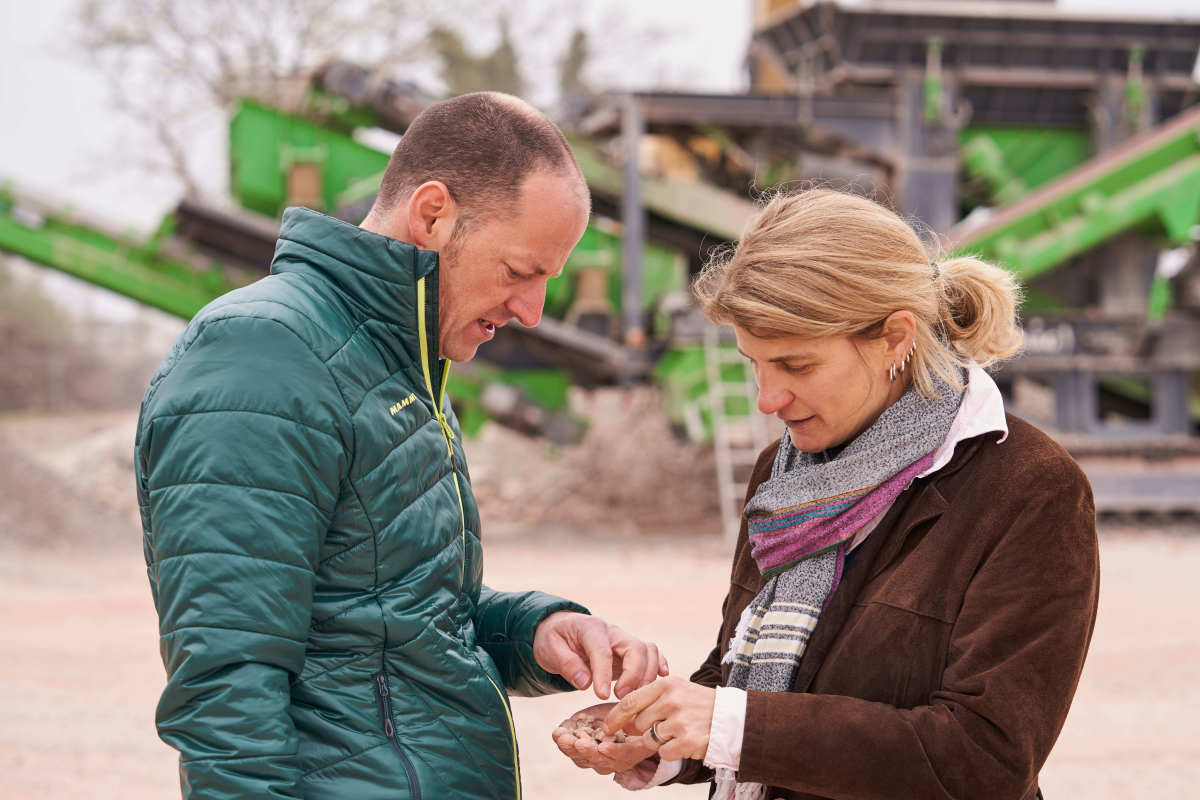
How can materials be used more efficiently and raw materials kept in circulation? Under the key theme “Material and resources,” BAU 2027 in Munich from January 11 to 15, 2027 will address issues relating to resource efficiency and the circular economy. The focus will include the reuse of building materials, secondary raw materials, and the further development of building materials.
Figure: Messe München GmbH
How can materials be used more efficiently and raw materials kept in circulation? Under the key theme “Material and resources,” BAU 2027 in Munich from January 11 to 15, 2027 will address issues relating to resource efficiency and the circular economy. The focus will include the reuse of building materials, secondary raw materials, and the further development of building materials.
Existing buildings are increasingly turning into a potential source of raw materials. According to the Wuppertal Institute, around 20.8 billion metric tons of building materials can be found in residential and non-residential buildings in Germany alone. Anthropogenic material stocks amount in total to around 51.7 billion metric tons. As a result, the preservation and further development of existing buildings are gaining in importance, along with the question of how materials already in use can be kept in the cycle for as long as possible.
Circular economy as a competitive factor
In Germany, approximately 220 million metric tons of construction and demolition waste are generated annually. At the same time, demands for resource efficiency, supply security, and climate protection are growing. As a result, the circular economy is increasingly evolving from a waste management issue into an economic factor. According to Construction Products Europe, around 40 percent of construction and demolition waste in Europe is currently recycled or reused.
The circular economy does not start with recycling alone. Urban mining, the reuse of building components, and the use of secondary raw materials are intended to help extend the useful life of materials already in use and reduce the demand for new raw materials.
Concrete and cement undergoing change
The further development of building materials is also coming into focus. For concrete and cement, manufacturers, research institutions, and industry are working on solutions to reduce emissions and material use. Areas of innovation include low-clinker cements, alternative binders, recycled concrete, carbon concrete, and processes for carbon capture and storage.
At the same time, the assessment of buildings and construction products is changing. In addition to energy consumption during operation, greater attention is being paid to emissions from manufacturing, transport, construction, use, renovation, and demolition. Life cycle analyses and environmental product declarations are therefore becoming increasingly important.
The availability of product information also plays an important role in closed material cycles. The new European Construction Products Regulation is increasing the importance of digital documentation for construction products. In the future, digital product passports are intended to make environmental information, compliance data, and other product-specific information available throughout the life cycle.
At BAU 2027, manufacturers, planners, research institutions, and startups will present solutions for the circular economy, material efficiency, and digital transparency. The trade fair will take place in Munich from January 11 to 15, 2027.
CONTACT
Messe München GmbH
Am Messesee 2
81829 München/Germany
+49 89 949-21472