

Alternative binders (geopolymer concrete, calcined clays) in precast construction

Production, testing, approvals and practical use
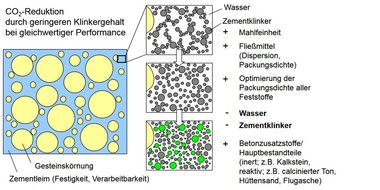
In the context of mitigating climate change, one of the key demands is to reduce the CO2 emissions generated in the production of cement and the concrete containing it. However, since the process of producing cement clinker is invariably associated with CO2 emissions, the related efforts of the cement industry concentrate not only on increasing energy efficiency and using alternative fuels but also on the substitution of cement clinker. Both cement and concrete producers are in a position to reduce the ratio of cement clinker. In the concrete industry, the preferred substitute is coal fly ash,...

Related articles:

Issue 02/2020 Concrete technology

Measures to reduce CO2 emissions

More than 6 % of the worldwide carbon dioxide (CO2) emissions caused by humans are associated with the production of cement and concrete. It is a known fact that a purposeful substitution of the...

more
Issue 05/2024

Performance and durability of clinker-reduced concretes using specially designed additives

Following the announcement of global climate targets to reduce carbon emissions, clinker-reduced concretes (also known as eco-concretes) are becoming increasingly important in the construction...

more
Issue 06/2025

Climate-friendly construction with concrete

Concrete is one of the most frequently used building materials and has a considerable share in global carbon emissions. Innovative materials such as the Earth Friendly Concrete provide environmentally...

more
Issue 06/2023

The path to climate-neutral precast concrete elements

The construction industry generates 38 % of global carbon emissions, and therefore has a special responsibility to act. It is for this reason that Bürkle Betonfertigteile GmbH & Co. KG was...

more
Issue 10/2022 ELEMATIC

The role of precast elements in reducing CO2 emissions

„Factory production of precast concrete can reduce CO2 emissions by 25% and has the potential to save billions of tons of CO2 emissions annually. So why is the issue so neglected?“ asks Mats Jungar,...

more