


Testing the resistance to root penetration of seals
for sewer pipe connections
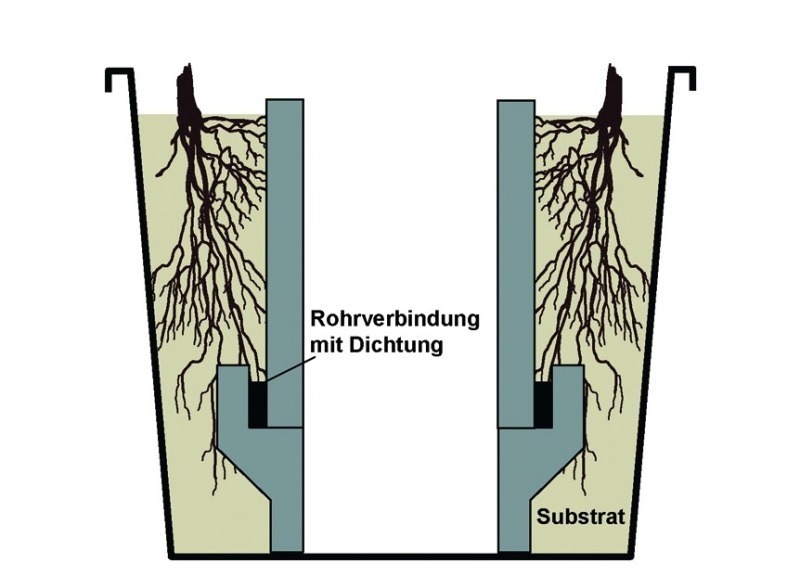
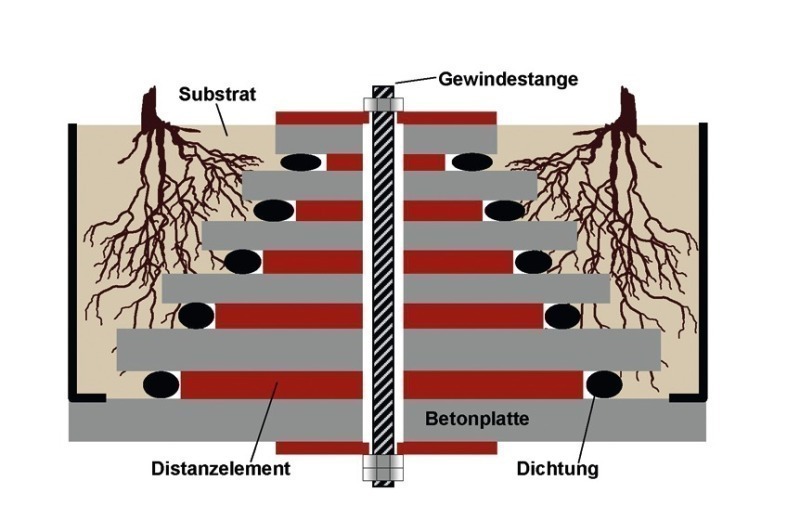
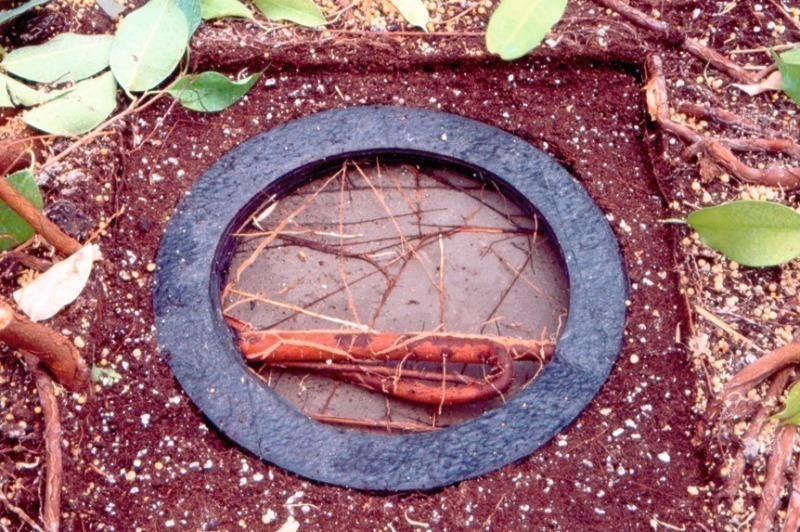
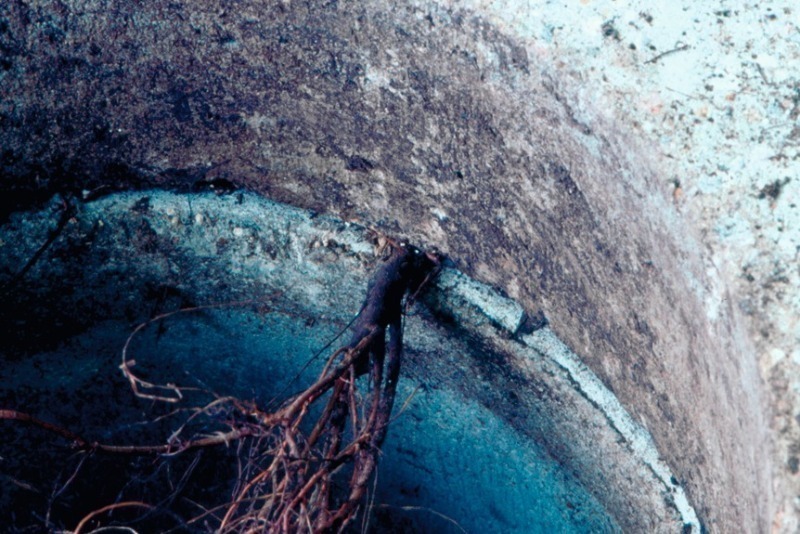
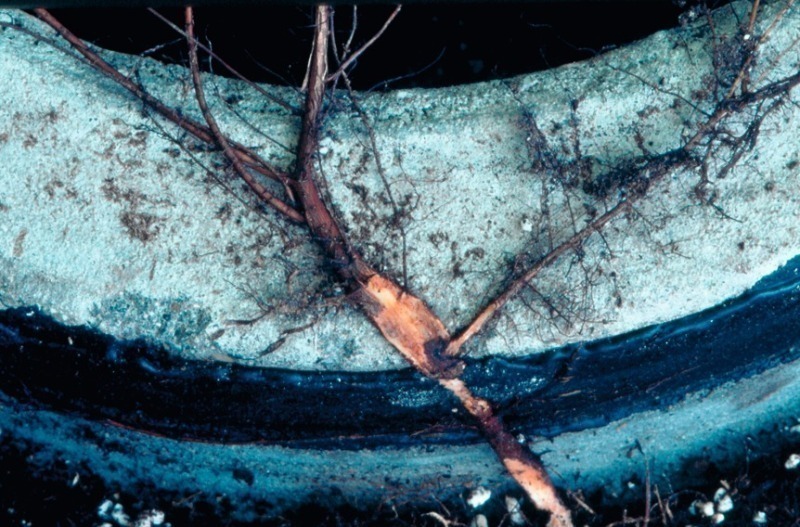
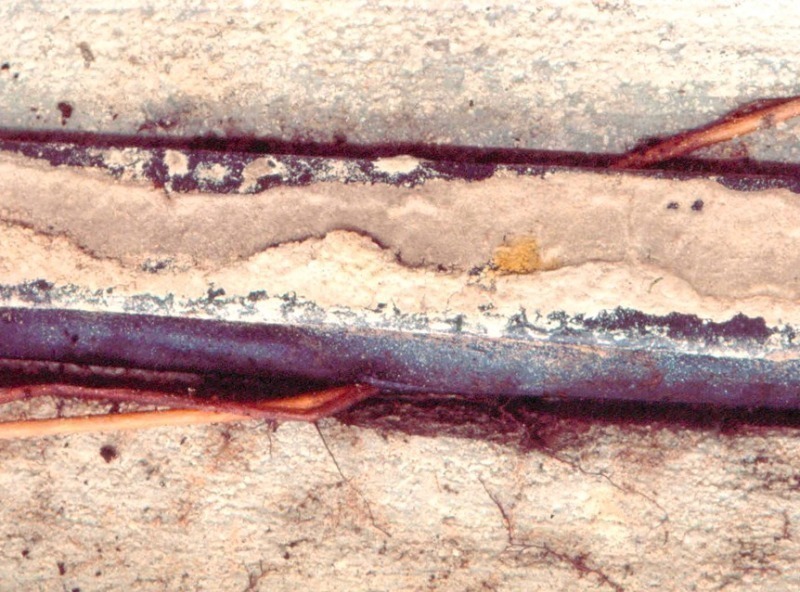

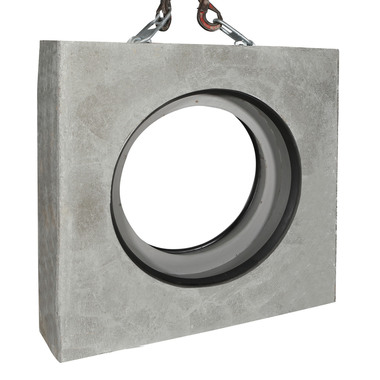
The currently employed methods for testing the resistance to root penetration of pipe connections, e.g. according to DIN V 1201 and DIN EN 1916, Annex E [1, 2], are based on the sealing tightness under load. They are based on the assumption that alone the level of the contact pressure acting on a seal influences its resistance to root penetration. These test methods, though long used until now, are nonetheless not very convincing, since they do not take account of biological-mechanical aspects. The operators of sewerage systems do not have much confidence in these indirect test methods. The following article reports on a newly developed method that takes into consideration both the mechanical and the biological aspects.
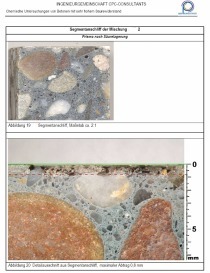
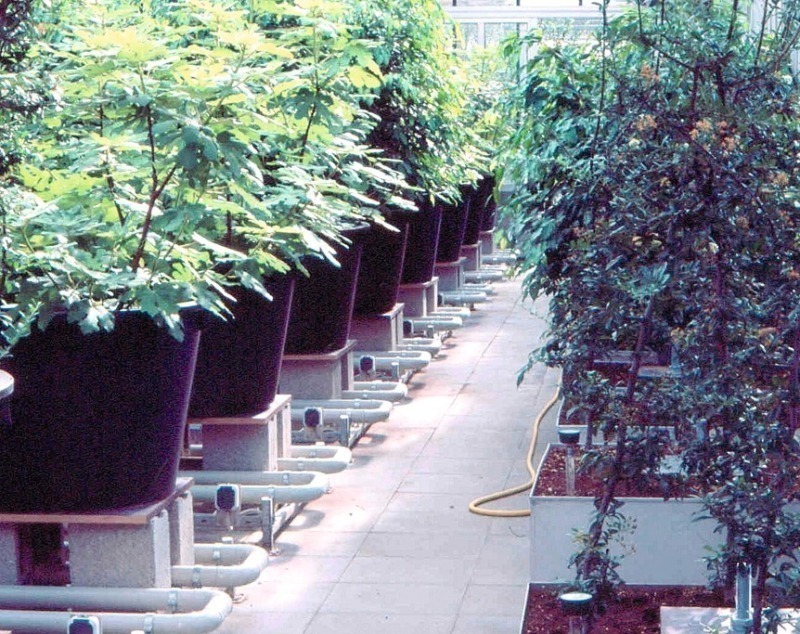
In another area highly susceptible to damage – green roofs – seals have been tested for over 20 years by a method developed and standardized at FH Weihenstephan, and which is recognized by the trade [4]. The many years of experience gained investigating the interaction of roots and seals at FH Weihenstephan should be drawn on in developing a biomechanical method for determining the resistance of pipe connections to root penetration. This method allows roots to act on seals of different compression levels under in-situ-like conditions for a sufficient period of time. Thus, for the fist time,...