


Sustainability in road, civil engineering, and sewer construction – the construction company’s perspective

Sustainability is no longer an optional extra in infrastructure construction, but a key prerequisite for the future viability of infrastructure in Germany. Climate targets, resource scarcity, and regulatory requirements such as EU taxonomy and CSRD set the framework – and present the industry with the challenge of combining ecological responsibility and resilience to climate change with economic feasibility.
The crucial questions are: How can fossil fuel dependencies be reduced? What role do regional building materials, alternative drive systems, substitute fuels, and the circular economy play in creating resilient infrastructure?
This article highlights three key aspects:
1. Framework conditions and their impact on construction projects – from tender requirements to the technical limitations of new processes.
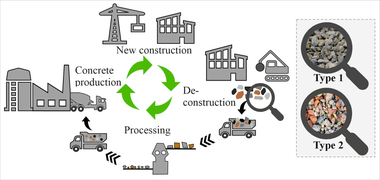
2. Practical approaches for greater sustainability – resource-efficient material cycles and construction methods, innovative building materials, and low-emission construction sites.
3. Cooperation as the key – sustainability begins in the planning stage. Life cycle assessments, uniform data bases, and clear award criteria are prerequisites for successfully establishing ecological goals in the long term.
Sustainability is both an obligation and an opportunity. It requires common standards, partnership-based cooperation, and the courage to innovate. This is the only way to ensure that ecological action and economic success go hand in hand in infrastructure construction.