


Practical application of the ERC concept in precast
concrete construction


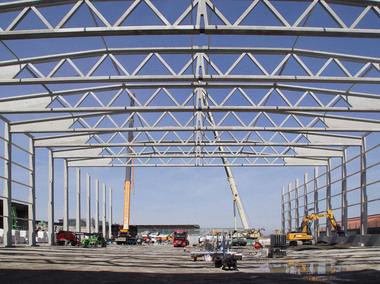
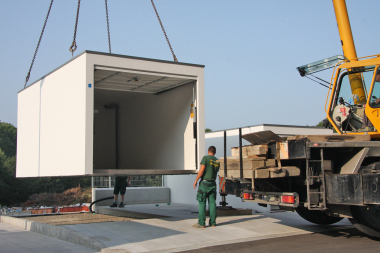
In order to offer technically advanced alternatives to standard concrete formulations in the field of building materials, the Max Bögl Group has been using the performance principle as an integral part of its product portfolio for many years. The foundations for the development of innovative building materials are laid strategically in research activities. As part of the approval process, solutions for building regulations governing these special products are sought in close consultation with building authorities and experts. It is precisely in this area of tension that the DAfStb’s ERC guideline provides innovative support. The ERC concept, which was in draft form at the time of construction, enables Max Bögl to use sustainable, clinker-efficient, and durable concrete in precast construction. The ERC guideline has become a fundamental approval instrument that offers a time advantage over conventional methods. The concept was first applied in the company’s internal construction project “BauFabrik Tauernfeld.” Precast concrete elements such as slabs, walls, and columns were produced from the innovative “Umweltbeton Bögl” (Bögl environmental concrete). The aim was to significantly reduce the CO₂ footprint, which was achieved by largely substituting cement with granulated blast furnace slag. The application of the ERC concept occurred under expert supervision as part of a project-related type approval granted by the Bavarian State Ministry of Housing, Construction, and Transport. The project shows that the ERC concept provides a practical basis for accelerating the approval of sustainable concretes in precast construction and makes an important contribution to resource conservation and CO₂ reduction.