

Autoclaved-aerated concrete (AAC) blocks in high demand in the Krasnodar region
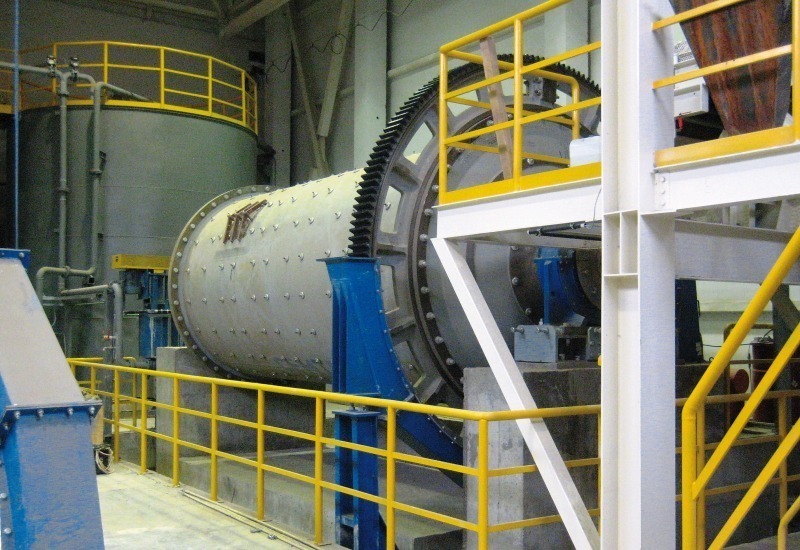
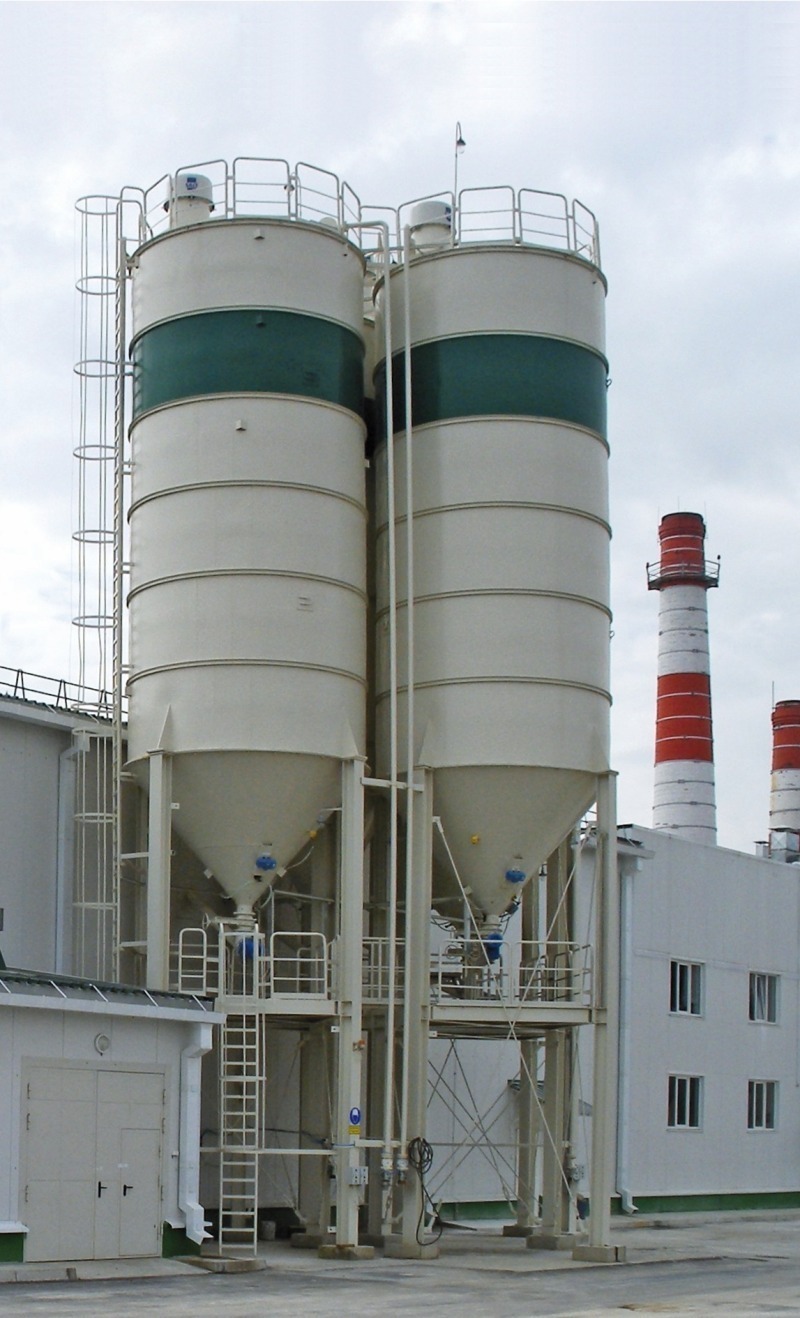
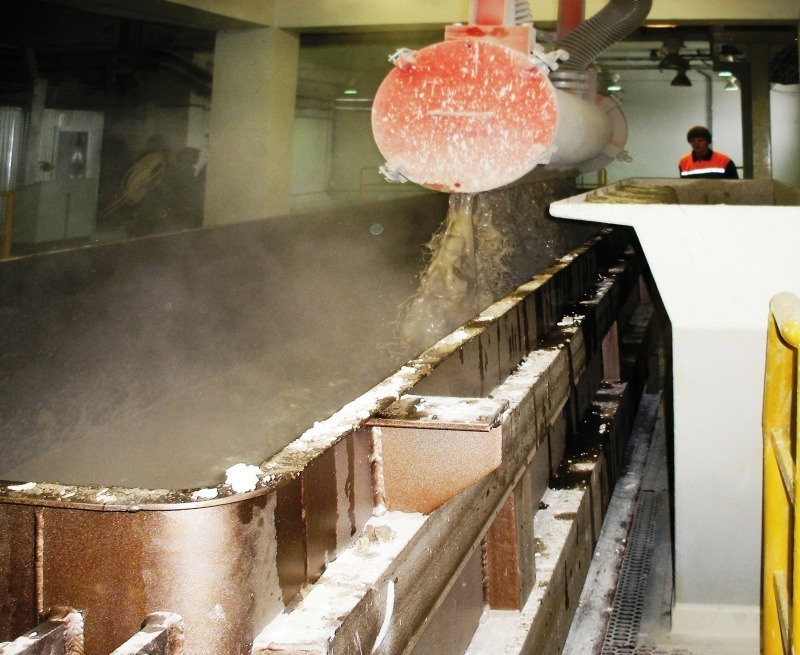
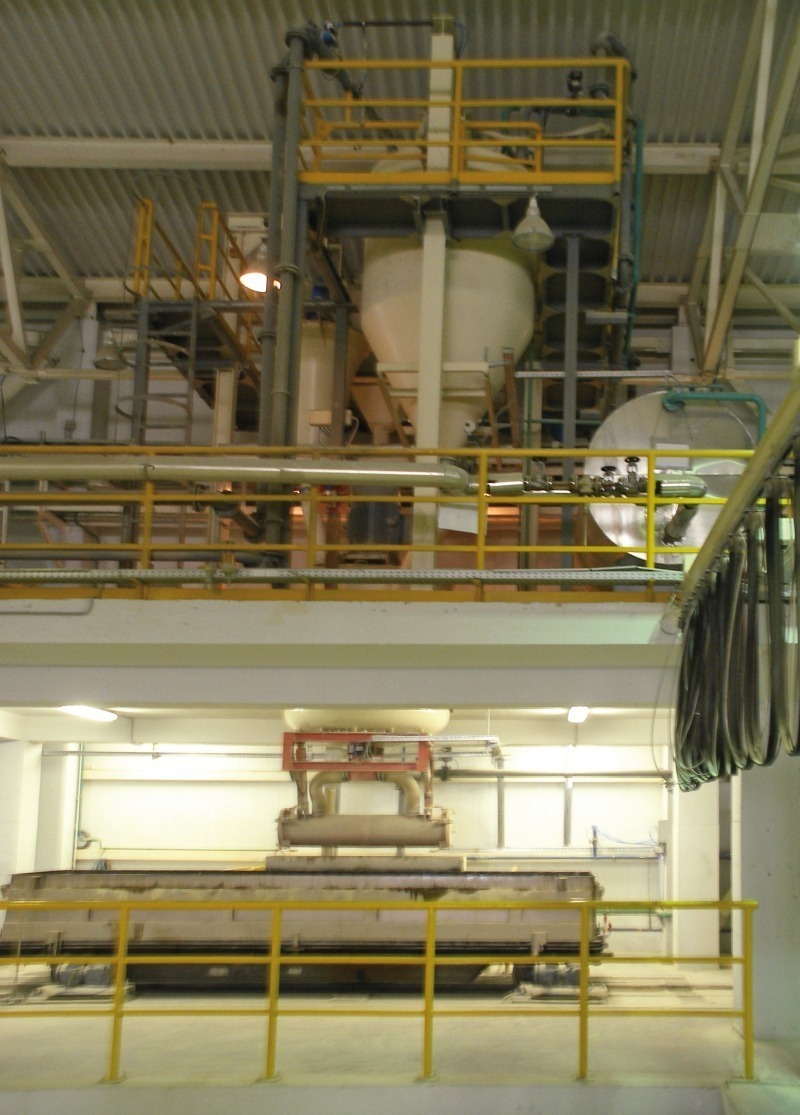
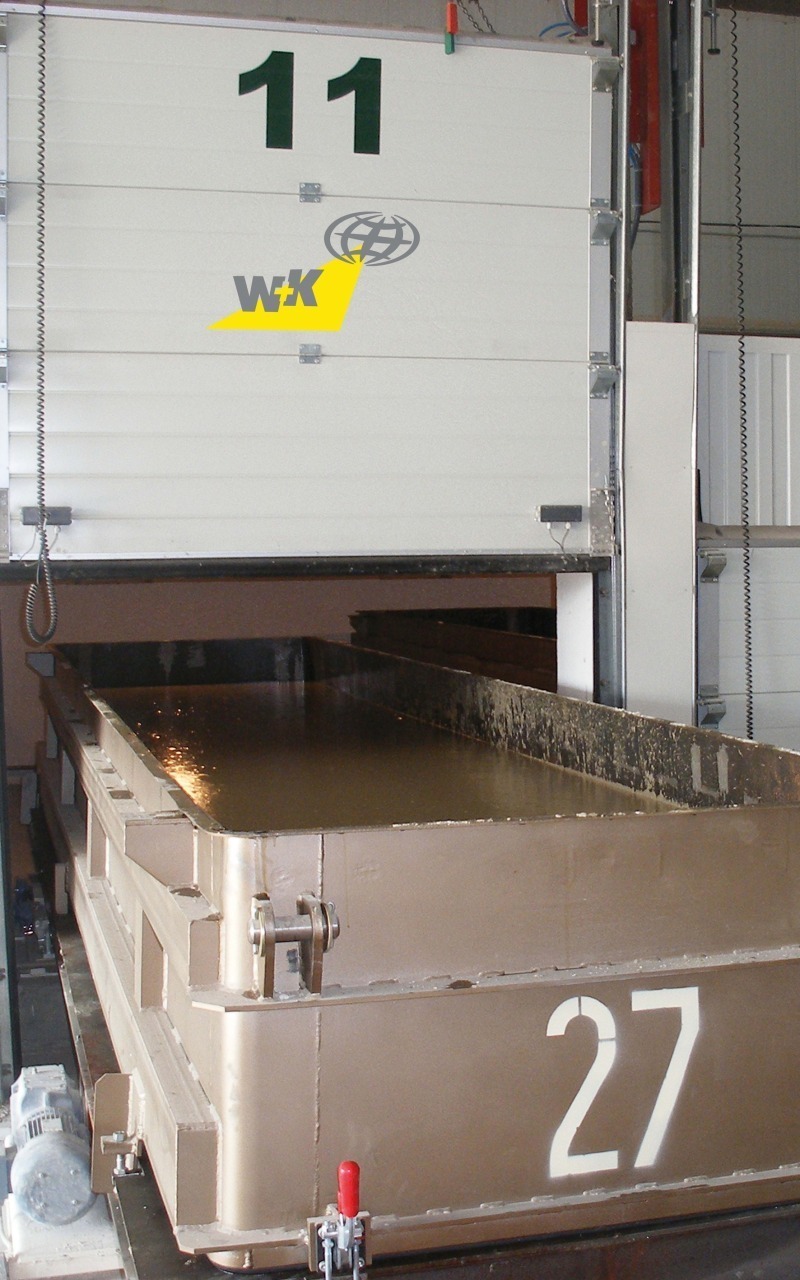
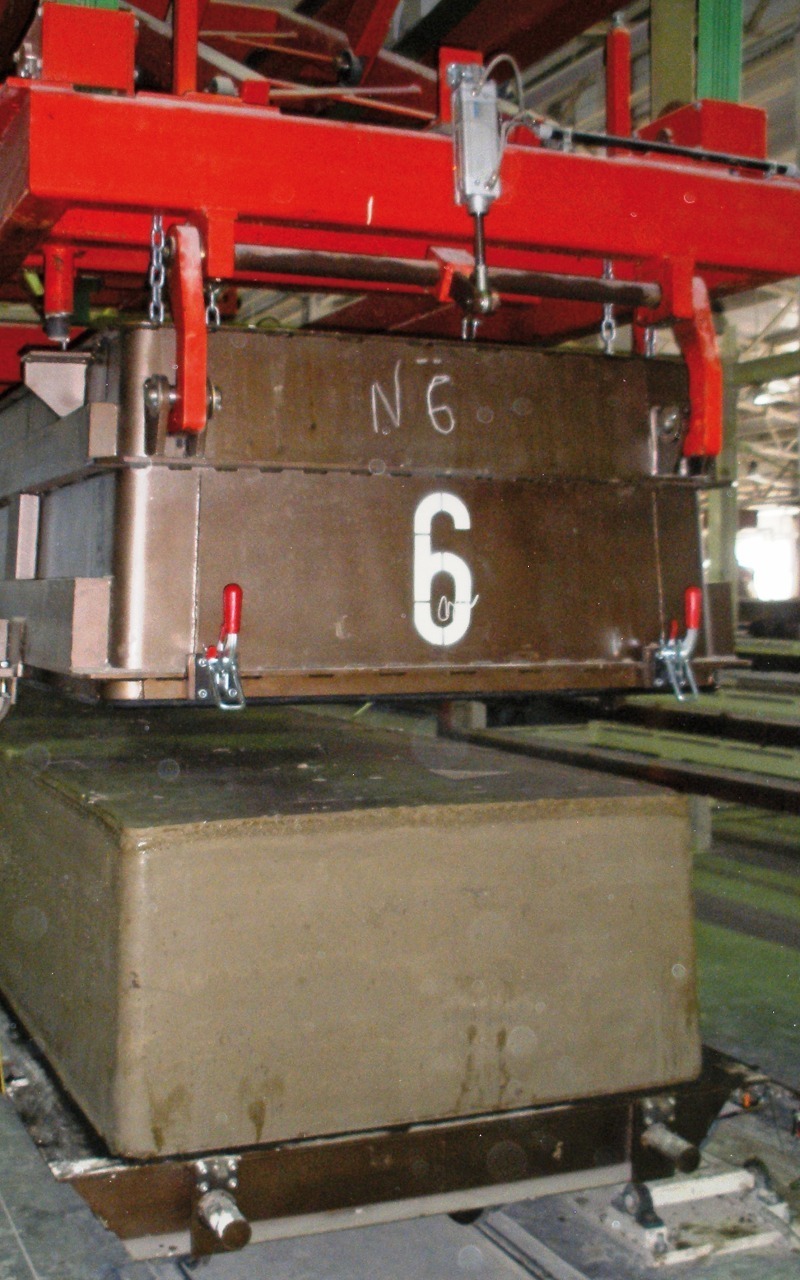
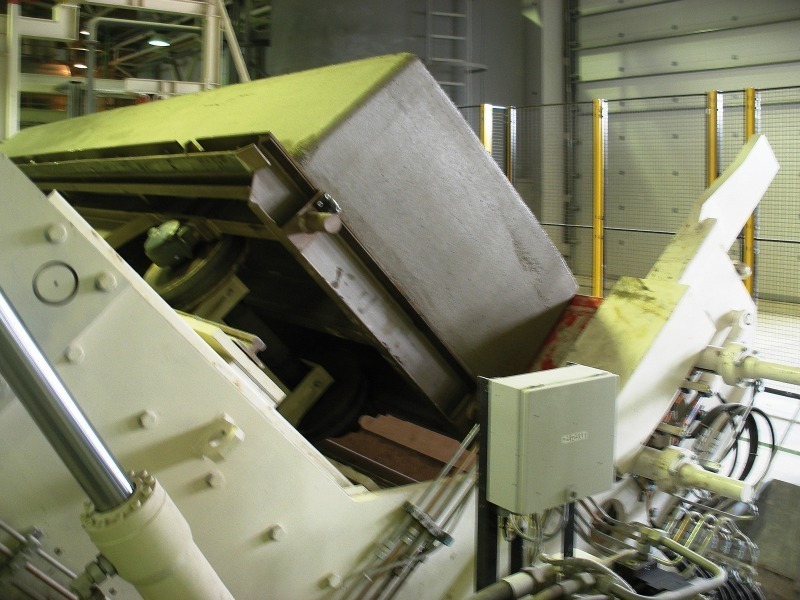
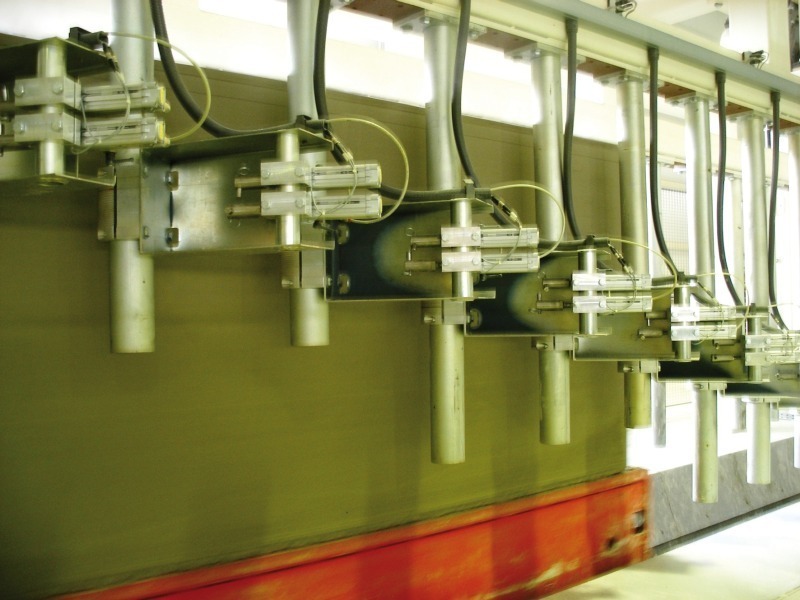
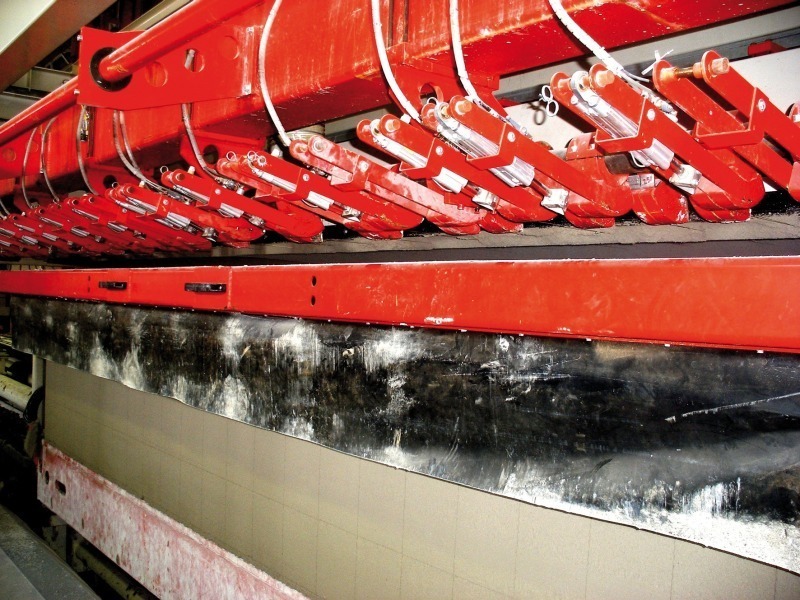
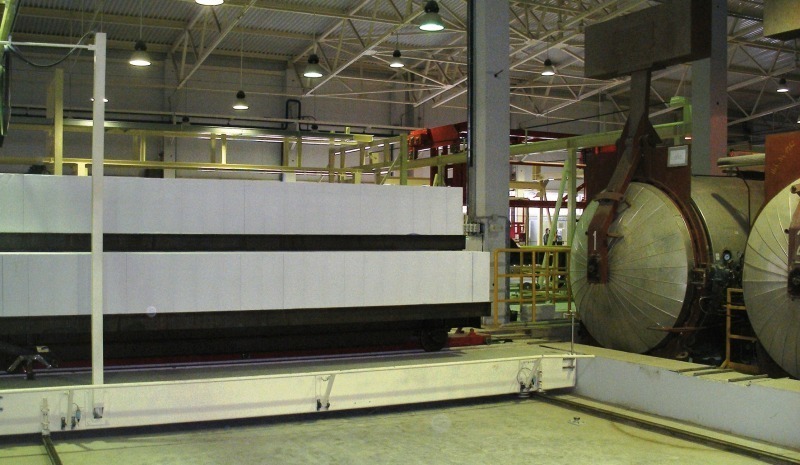
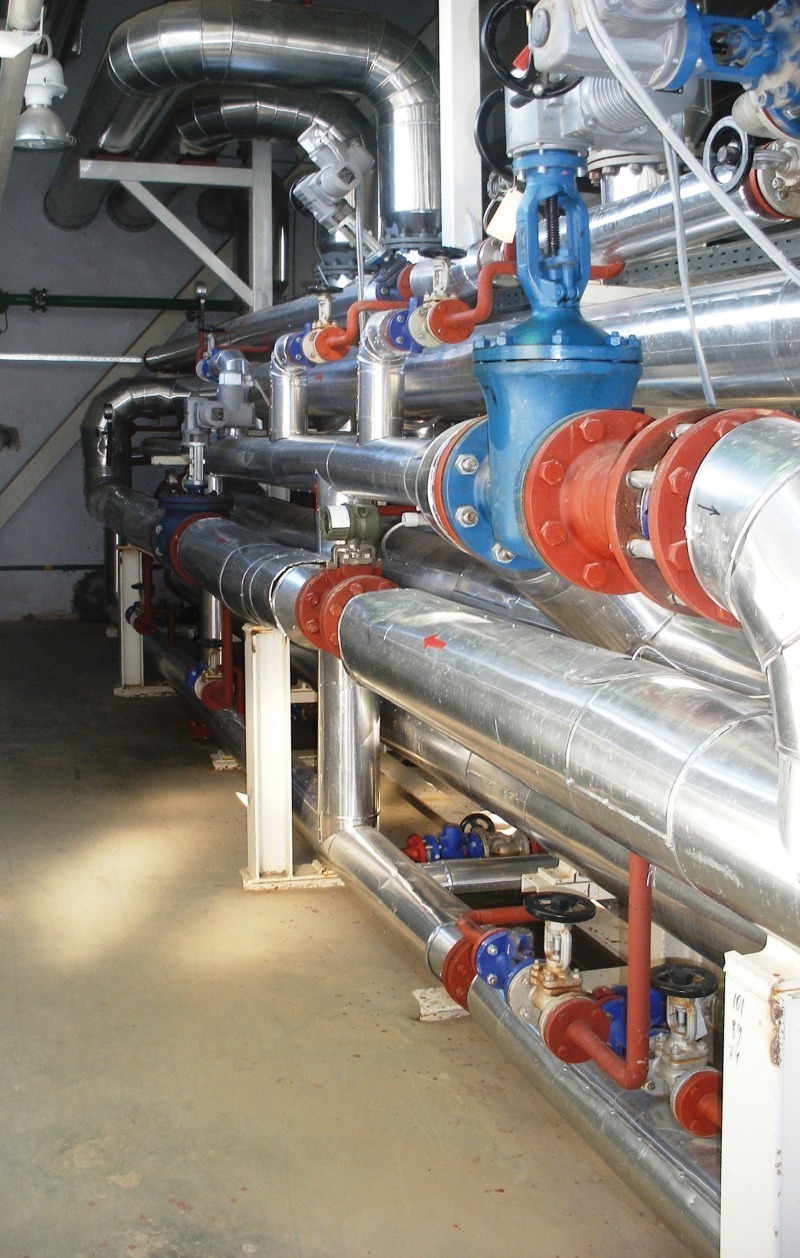
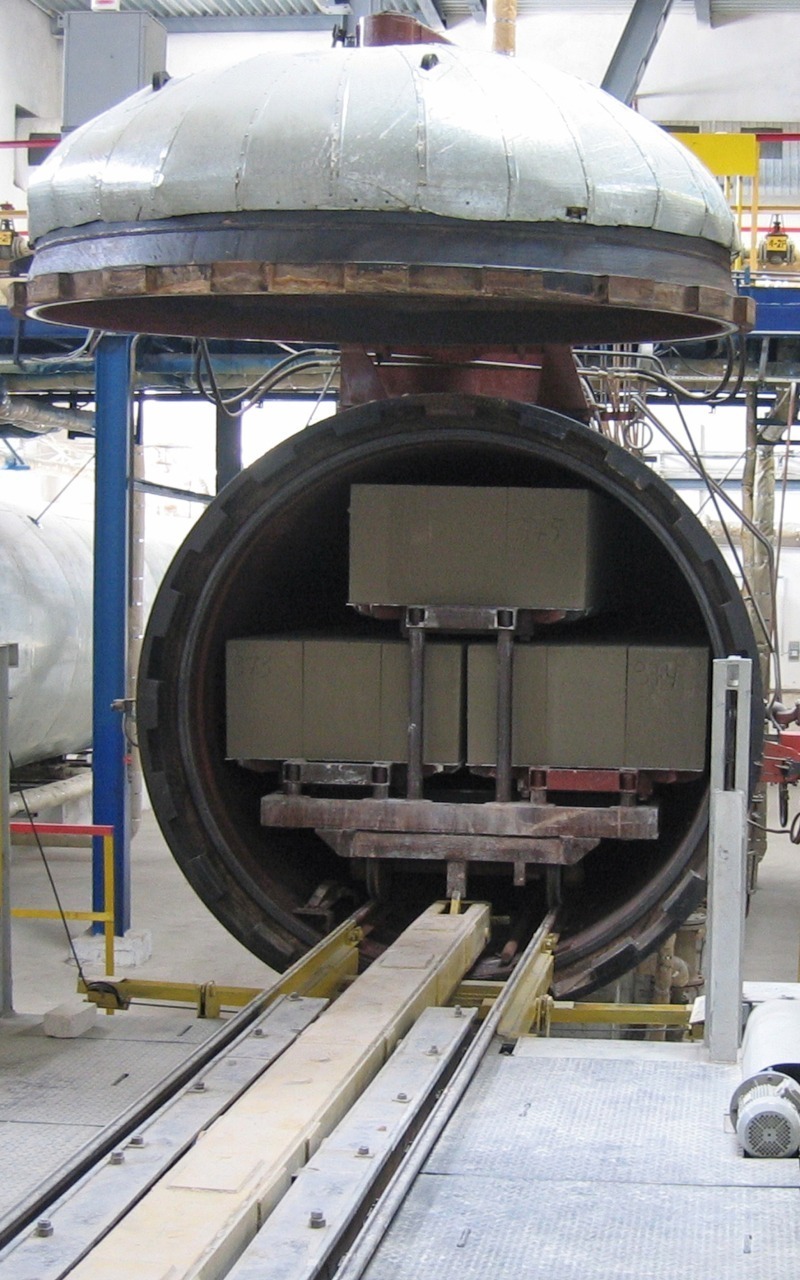
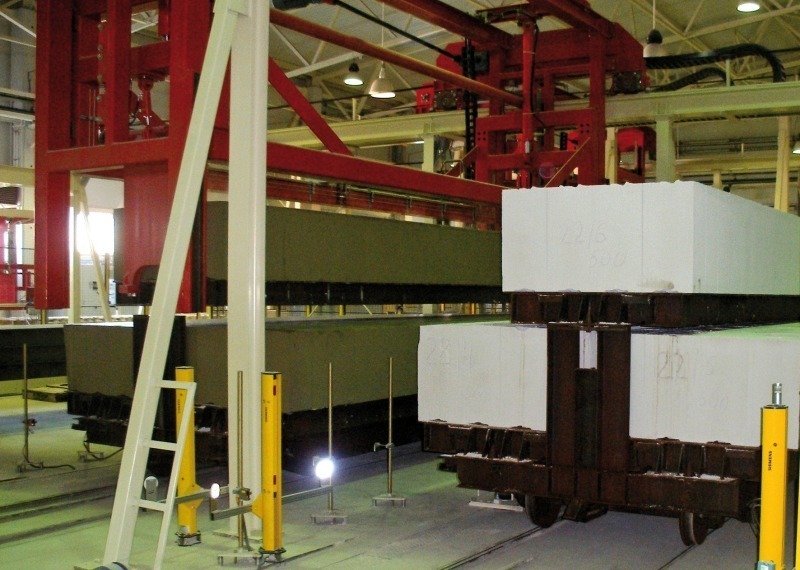
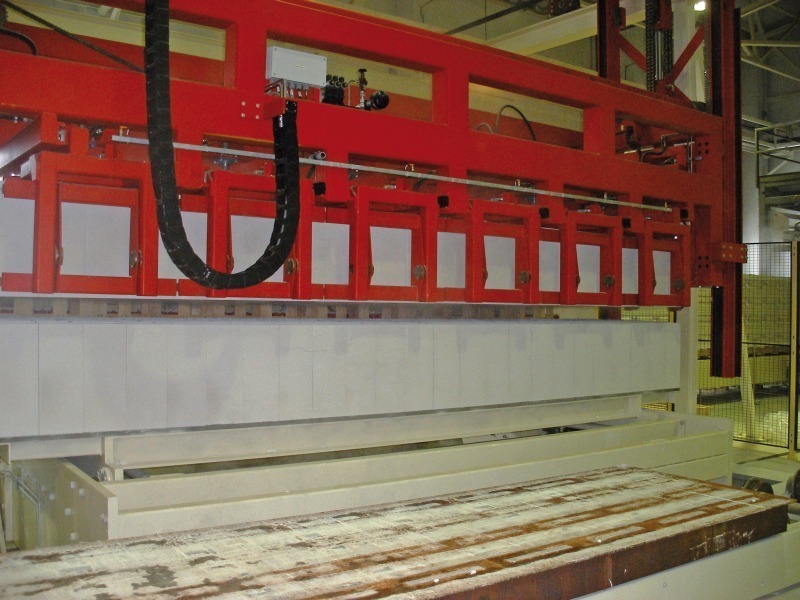
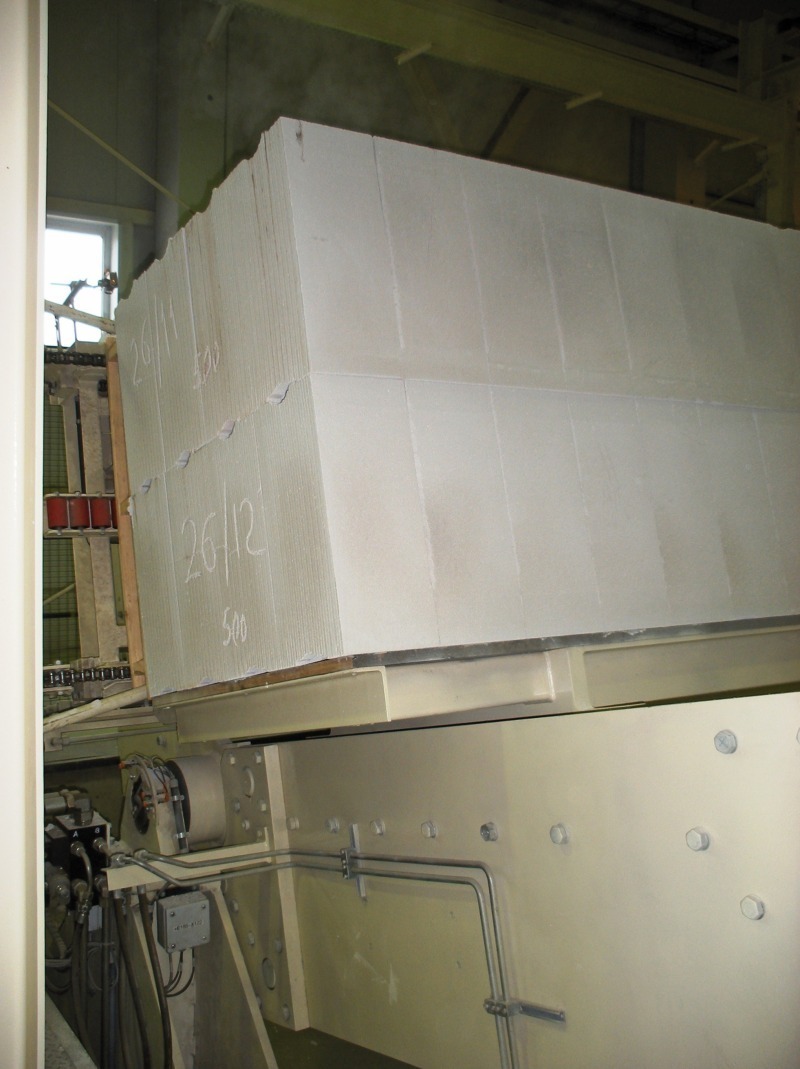
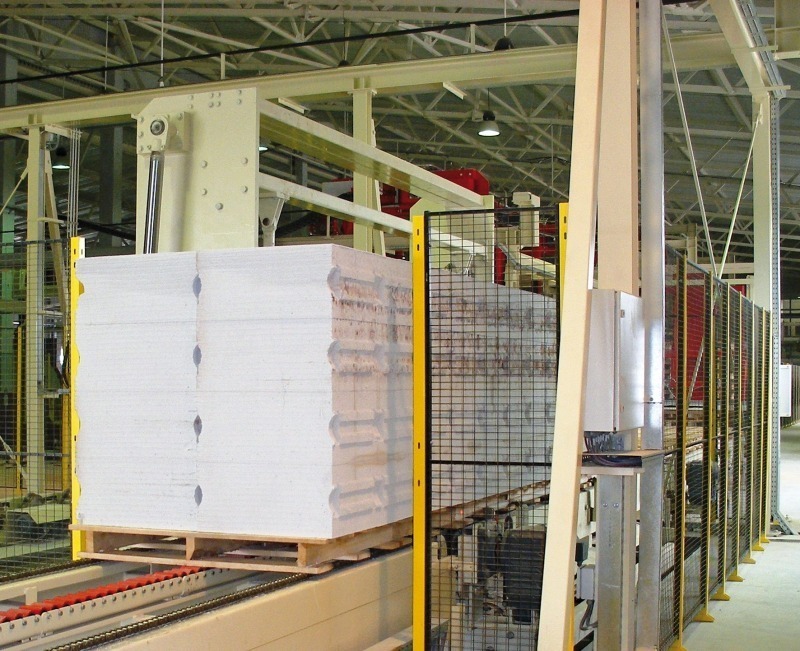
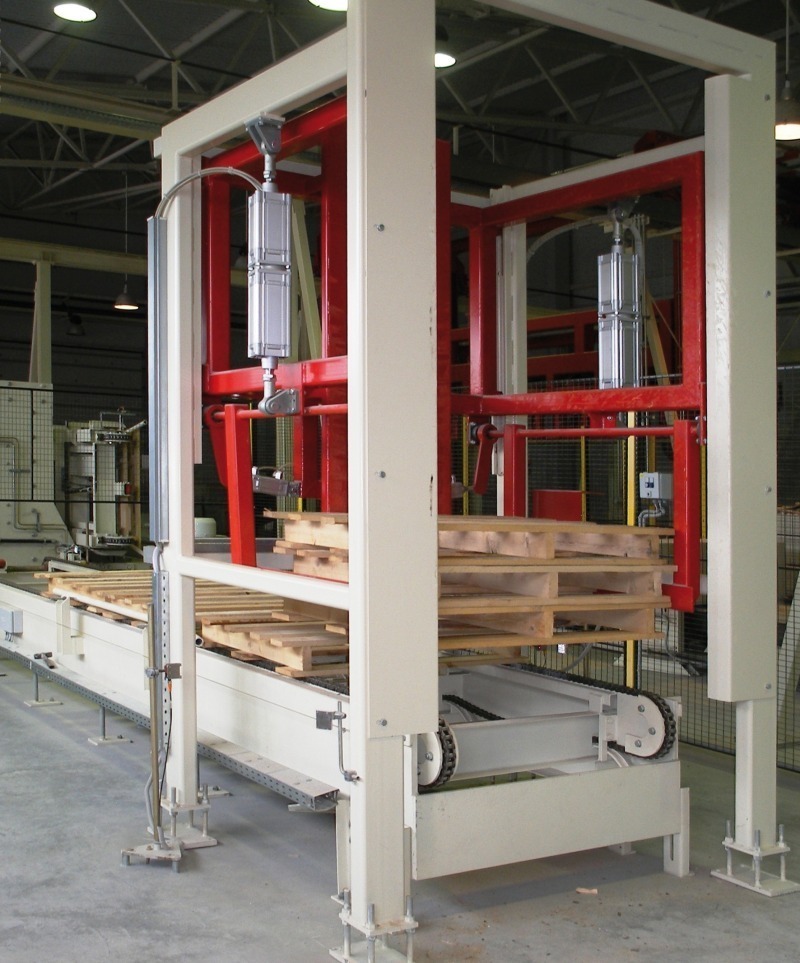
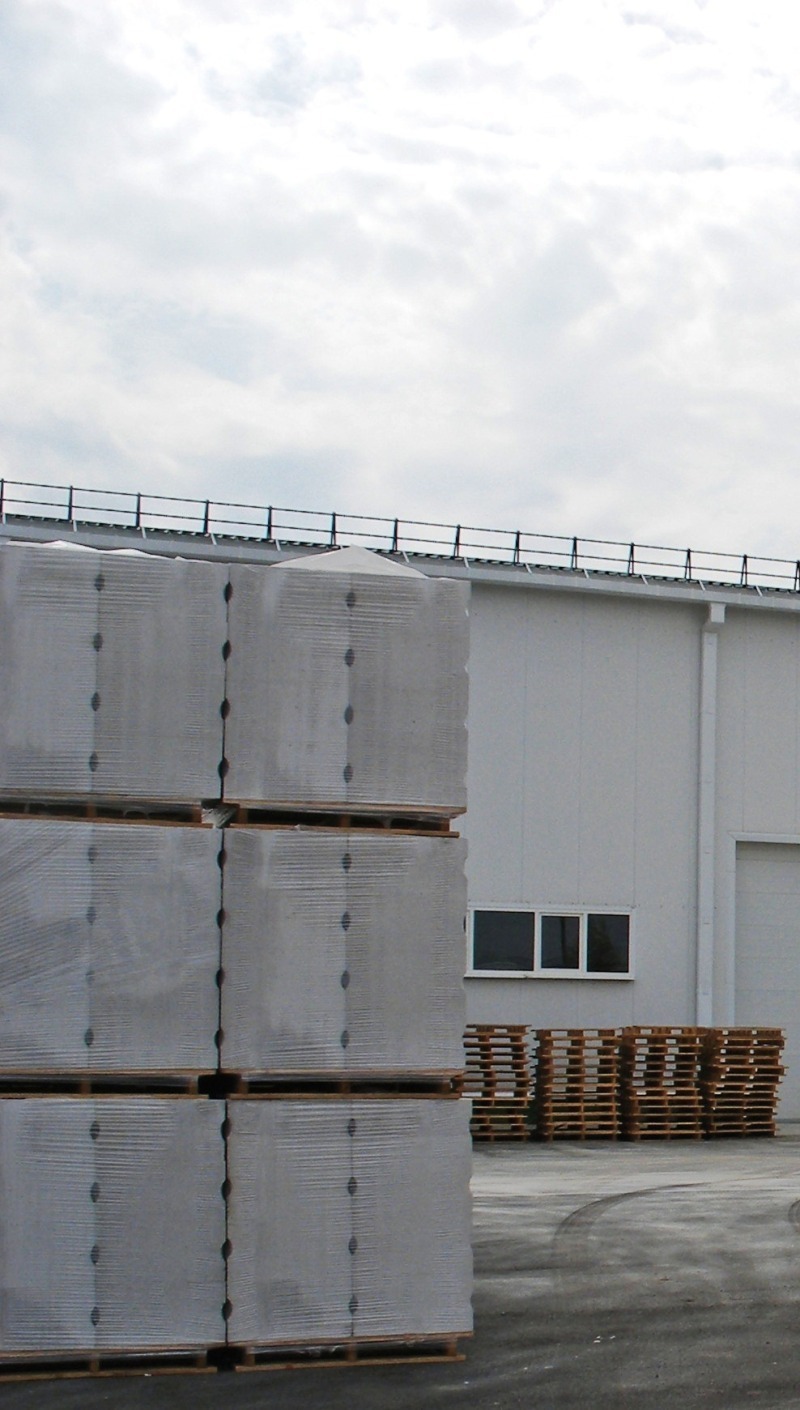
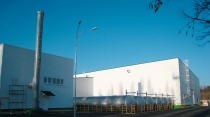
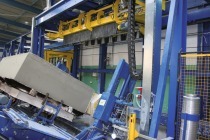
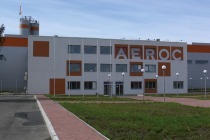
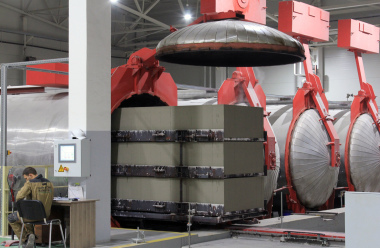
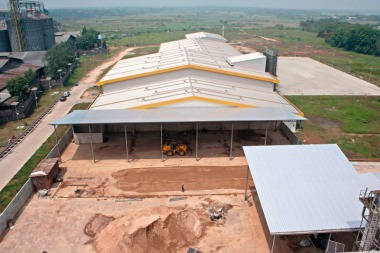
The successful talks with one of the largest investors in the construction sector in the Krasnodar region led to the delivery of another turnkey autoclaved-aerated concrete (AAC) plant. The plant with an overall daily output of 972 m³ was erected on the site of an existing concrete plant to meet the rising demand for AAC blocks in the Krasnodar region.
Business relations with W+K Industry GmbH had already existed for some years. Apart from numerous projects and modernization measures that the company had carried our in existing plants, W+K Industry GmbH is also partner in the construction of a new and fully automated sand-lime brick plant.
“We believe in the technology and the personnel of W+K. Hand in hand we have completed many successful projects and look forward to a continued partnership,” declares Sergej Nikonenko, director of the stenovych Materialov Kubani combine.
The stenovych Materialov Kubani combine commissioned W+K Industry GmbH...